-
-
Jeong Dong Jin, Okgye
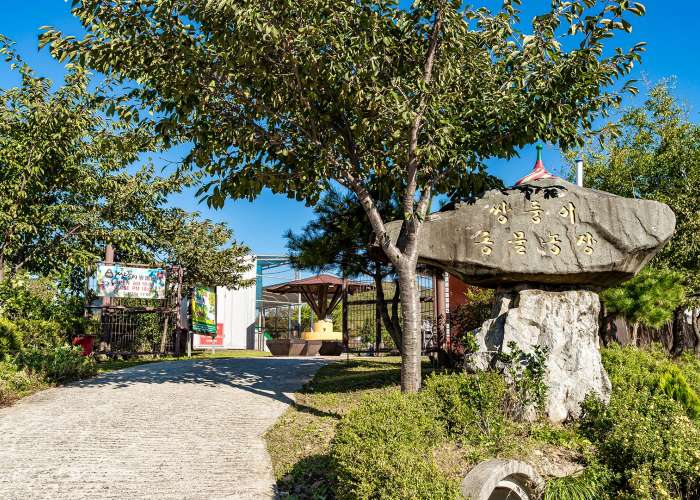
Twin Animal Farm
Animal feeding experience, rides, donkey riding
Introduction
Gangneung Twin Animal Farm, located in Okgye-myeon, is the largest theme park and zoo in Gangneung. Visitors can see over 100 species of animals up close, including tigers, lions, black bears, and zebras. In addition to animals, the park offers various rides, a traditional folk museum, and a comic book room, making it a comprehensive entertainment space.
Tour Guide
The farm features two “Five-Senses Experience Halls” where visitors can see, touch, and interact with animals. It is open from 10 AM to 6 PM on both weekdays and weekends, with last entry at 5 PM. Children under 20 months enter free of charge. Admission includes a feed bucket for animal feeding experiences. Group discount packages are available, so group visitors are advised to call in advance before visiting.
Tips
Before entering, visitors must undergo a temperature check and complete a visitor log to prevent the spread of viruses. After purchasing tickets, visitors receive a feed container. They must also pass through a full-body UV sterilization booth (15 seconds) before entry. Upon entering, many animals greet visitors in the outdoor viewing area, where feeding is possible through designated feeding tubes. The indoor experience halls feature baby animals that visitors can touch and feed. After exploring both halls, visitors return outdoors where black bears and dogs can be seen. There are rides and a snack shop; ride tickets must be purchased separately. After enjoying the rides, visitors can move to the large animal outdoor enclosure to see tigers, lions, zebras, and guanacos (feeding is prohibited for tigers and lions). Beyond this area is a botanical garden with over 120 species of tropical plants arranged like a jungle. There are also multiple photo zones throughout the park for memorable experiences.
#동물#놀이기구#오감체험장#야외관람장#실내체험관#먹이주기#식물원#가족여행
-
-
Downtown
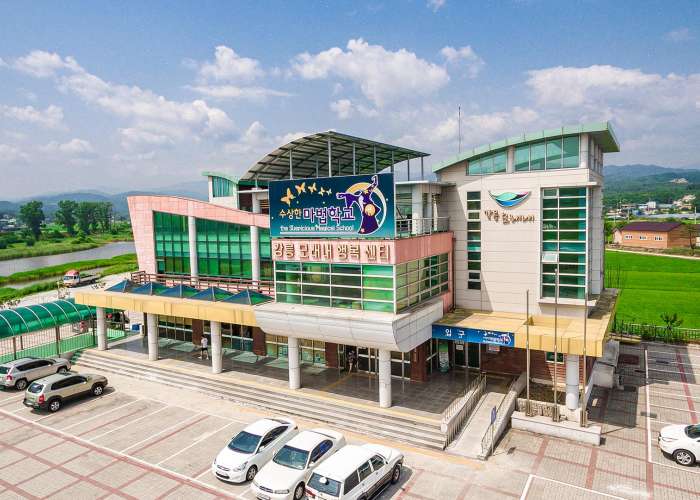
Suspicious Magic School
A magic school featuring performances, exhibitions, and content based on magic.
Introduction
This venue was established with the aim of revitalizing the local economy of Gangneung and popularizing magic. Gangneung Suspicious Magic School is a space where experiential exhibitions and performances take place, offering unique and memorable experiences for visitors of all ages. It has become a popular and distinctive tourist attraction among travelers visiting Gangneung.
Tour Guide
The Suspicious Magic School is located on the 2nd floor of the Morae Nae Happiness Center in Sacheon-myeon, Gangneung-si. Upon entering through the school gate and walking up to the second floor, visitors follow a green forest path symbolizing entry into a magical school hidden within the woods. Passing through a passage called the “Magic Bookshelf,” visitors arrive in a mysterious magical world.
Travel Tips
The Magic School is composed of various zones such as the Magic Bookshelf, Teleportation Room, Levitation Zone, Body Separation Zone, and Illusion Zone. Visitors can not only enjoy performances but also directly experience magical phenomena such as levitation, body separation, and spatial movement, as well as view exhibitions. Magicians perform magic for children and offer hands-on experiences. The interactive nature—where visitors can touch, sit, and actively participate—makes it especially popular. There are also photo zones throughout the venue, making it a great place to capture memorable moments.The experience sessions are held five times a day from 10:00 AM to 5:00 PM, and with a phone reservation, visitors can even learn magic. After completing the full training program and experience, participants receive a graduation certificate from the Magic School. Customized programs are offered according to the audience: educational magic incorporating math and science principles for children, proposal magic for young adults such as university students, and business magic for professionals.Gangneung Suspicious Magic School is a must-visit attraction offering both entertainment and hands-on experiences, inspiring dreams and hope in children. It is highly recommended for family visits.
-
-
Gyeongpo Area
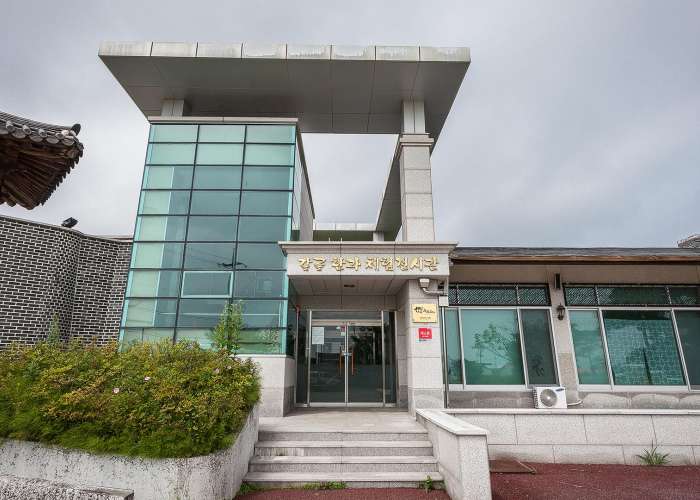
Galgol Hangwa Experience & Exhibition Hall
A hands-on learning center preserving the traditional hangwa-making method for four generations
Introduction
The Galgol Hangwa Experience & Exhibition Hall consists of an exhibition space where visitors can explore the history and types of traditional Korean confectionery (hangwa), as well as the origins of hangwa in the Gangneung region, and a hands-on experience hall where visitors can make hangwa themselves.This facility was established as the first of its kind in Korea to preserve and pass down the traditional manufacturing techniques of Master Choi Bong-seok, which originated in Galgol Gwa-jul Village. With support from the Korean government, Gangwon State, and the city of Gangneung, it aims to preserve and promote Korea’s traditional foods.
Tourist Guide
In order to preserve and pass on the traditional manufacturing techniques and unique culture handed down in Galgol Village, the Galgol Hangwa Experience & Exhibition Hall was established in 2005 with support from Gangwon State and the city of Gangneung. Since 2006, it has been operating hands-on programs for housewives and students, promoting Korea’s traditional foods.
Travel Tips
Educational programs and hands-on activities for understanding traditional hangwa are offered year-round. Courses are divided into beginner, intermediate, and advanced levels.Exhibition viewing hours are from 09:30 to 18:00 during the summer season (March–October) and from 10:00 to 17:00 during the winter season (November–February).The number of visitors to the Galgol Hangwa Experience & Exhibition Hall was approximately 3,000 in 2013 and about 3,000 in 2014.
#전통#한과#체험관#명인#체험#전시#관람
-
-
Jumunjin Area
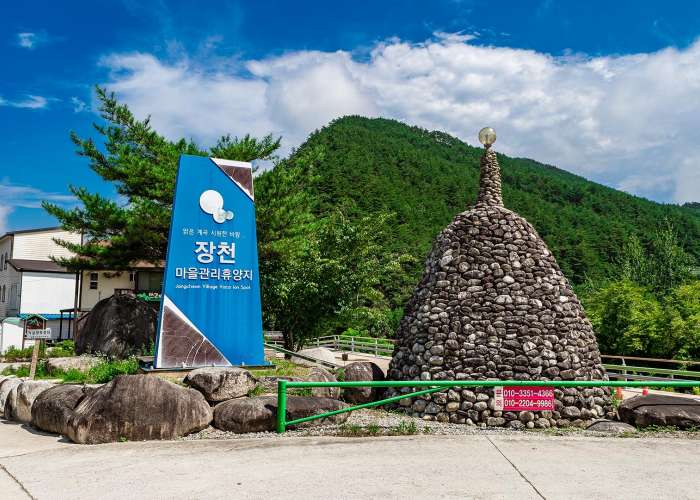
Sogeumgang Jangcheon Village
A village offering year-round hands-on experience programs
Introduction
Sogeumgang Jangcheon Village is a beautiful village located near Sogeumgang, a designated scenic site. Surrounded by pristine mountains and scenic valleys, it offers a variety of natural attractions. Nearby beaches such as Yeongok, Jumunjin, and Gyeongpo are within 20 minutes, and hiking routes to Odaesan Mountain (No-inbong and Dongdaesa Temple) are about 10 minutes away.Jangcheon Village in Samsan-ri was designated as a managed recreational area in 1989. In 2008, it was recognized as an excellent rural village and introduced traditional milling experience programs, allowing visitors to experience traditional grain-processing tools.
Tour Guide
Located at the entrance of Sogeumgang, the Samsan Jangcheon recreation area features clear Yeongokcheon Stream and dense pine forests, offering a quiet and cozy atmosphere. With increasing visitors using the Jingogae route, nearby attractions such as Sogeumgang, Yeongok Beach, and Songcheon mineral spring have contributed to the growing number of tourists.The village offers camping grounds, pensions, cultural programs, and group accommodations, operating year-round. Facilities include shower rooms, a small theater, and restrooms.
Travel Tips
Jangcheon Village has been designated as a rural theme village since 2008 and has operated a sheep ranch since 2011, allowing visitors to interact with sheep. Visitors can also taste locally grown agricultural products. The camping site is known for its cleanliness, leading to many repeat visitors.Accommodation is available even without camping equipment, including school-style lodging, community lodging, and farmhouse stays. The village also offers 1-night, 2-day experiential programs, allowing visitors to enjoy immersive stays.Visitors can make pizza, chocolate, and mozzarella cheese, which is especially popular among children. The sheep ranch provides a joyful experience for all ages.Local specialties such as potatoes, corn, black goat products, and wild mushrooms are available. Nearby attractions include Odaesan Mountain, Chwiseonam Rock, Hyundeoksa Temple, and several camping sites.With beaches within 20 minutes and hiking trails within 10 minutes, the village is a convenient and attractive destination that visitors often return to.
#소금강#명산#계곡#휴양지#체험#송림#캠핑장#펜션
-
-
Downtown
Animal Story
An interactive experience center where visitors can engage with various animals
Introduction
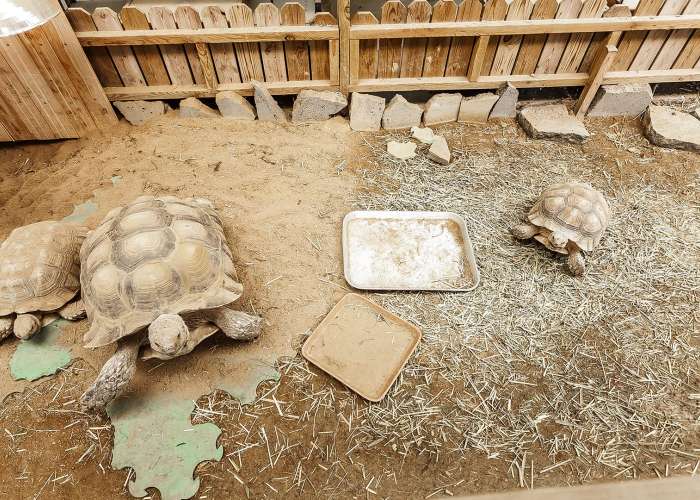
Animal Story is an experiential facility designed to bring visitors closer to animals through direct interaction. It features an aquarium zone, aviary, reptile hall, mammal hall, and outdoor cages. The program is operated with a focus on minimizing stress for the animals, allowing visitors to participate in activities such as feeding and gentle interaction within appropriate limits.
Tour Guide
This is a multi-themed park offering various hands-on experiences suitable for all four seasons. Visitors can enjoy craft activities, play experiences, and rural experiences such as catching loaches, harvesting corn, and digging sweet potatoes.
Travel Tips
Upon arrival at Animal Story, visitors will see three large greenhouse structures. These house different types of animals: an aquarium exhibition hall, a bird exhibition hall, and a mammal exhibition hall located on the far left.
#동물#전시장#만들기#체험#놀이체험#농촌체험
-
-
Downtown
Hakmaeul Village
Experience activities in a village of education that has produced many talented individuals
Introduction
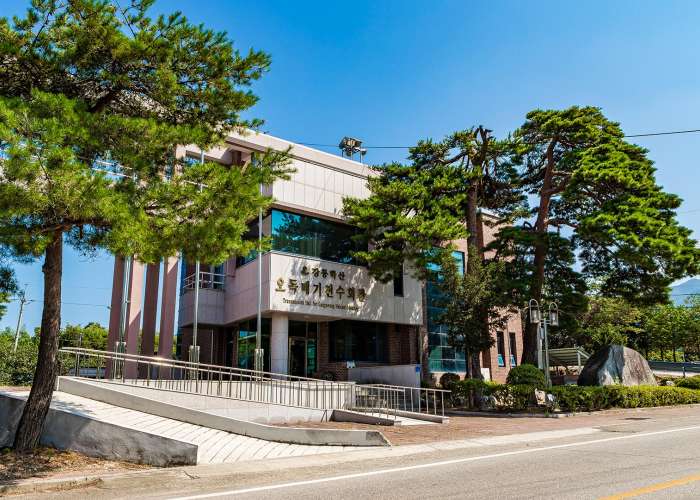
Haksan has long been known as a pleasant place to live and a village of education that has produced many talented individuals. Hakmaeul Village is located in Gujeong-myeon, Gangneung-si, Gangwon State. It is a rural village situated about 6 km south of Gangneung City Hall and 1 km from the Gujeong-myeon office in Yeochan-ri.It was incorporated into Gujeong-myeon of Gangneung County in the 33rd year of King Gojong’s reign, and after the integration of city and county administrations in 1995, it was divided into three administrative villages (1-ri, 2-ri, and 3-ri) in 1996.The village is also known as the birthplace of the eminent monk Beomil, who later became the guardian deity (Seonghwang) of Daegwallyeong in the Yeongdong region. It is home to numerous cultural heritage sites such as the Gulsa Temple Site Stupa, the Flagpole Supports at Gulsa Temple Site, and the Gangneung Haksan Odokttegi folk song.With its natural geography blessed by mountains and water, Hakmaeul Village is a beautiful tourist destination that offers both scenic charm and convenient transportation.
Tourist Guide
Hakmaeul Village is home to many cultural assets, including Seokcheon Well, Hakbawi Rock, the Gulsa Temple Site, flagpole supports, stupas, and a seated stone Buddha statue. It also preserves the valuable cultural heritage known as Haksan Odokttegi.Odokttegi is a traditional farming song sung to relieve fatigue and increase efficiency during agricultural work. As several skilled practitioners of this folk song reside in the village, visitors can enjoy their beautiful performances.Various hands-on experiences are also available. Visitors can participate in natural dyeing experiences at Yeseowon, family camping programs, and plum extract-making experiences at Seollaegol Plum Farm with prior reservations.The village also sells local specialties such as pure perilla seeds, glutinous corn rice, and Seollaegol plums, making them excellent souvenirs.
Travel Tips
At the Hak Information Village Center, visitors can join guided cultural heritage tours, harvest sweet and sour fruits, and dig for potatoes and sweet potatoes.At the healing camp Yeseowon, which operates a café, pension, and experience farm, visitors can enjoy homemade fermented enzyme tea and lotus leaves, as well as participate in tea ceremonies, natural dyeing, and wildflower experiences. Making reservations in advance is recommended for convenient use.Visitors can also experience making traditional confectionery (jeonggwa) by hand. Coffee lovers may enjoy visiting a café that also roasts its own coffee beans, as well as a fair-trade café.Since the flagpole supports are located not far from the city center and transportation is convenient, and Gangneung is famous for its Coffee Street, visitors can enjoy a warm cup of coffee while viewing the sea after exploring Hakmaeul Village.It is also recommended to visit the Chodang Sundubu Village to taste the unique soft tofu dish that can only be found in Gangneung.For those traveling with children, visiting a handmade hamburger restaurant at Gangmun Beach is also a great option. Gangmun Beach is especially well known for its photo zones, making it a perfect place to take beautiful pictures.One useful tip is to plan your sightseeing route along the coastline, either moving up or down, to enjoy more attractions in an organized way. On the way back home, stopping by Gangneung Jungang Market to purchase affordable and delicious local foods such as dakgangjeong (sweet crispy chicken), ice cream hotteok, and grilled short rib patties is highly recommended.
#학산#인재#교육#학바위#굴산사지#문화재#문화재탐방
-
-
Jumunjin Area
Boksakkot (Peach Blossom) Village
Jangdeok-ri Peach Blossom Village where pink peach blossoms announce the arrival of spring
Introduction
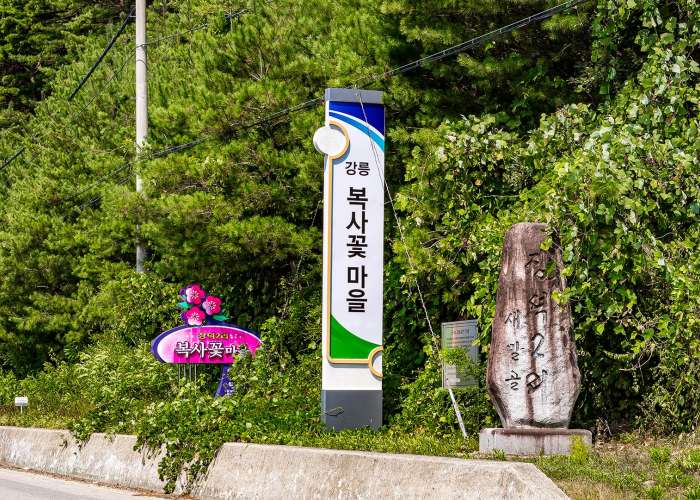
Peach Blossom Village is a rural experience village that combines natural resources such as mountains, the sea, and the Sinricheon Stream, along with well-established infrastructure including communal experience facilities, numerous accommodations, and traditional farming tool experience centers. It is also designated as a farm stay village and a green rural experience village.The village is widely known for its Peach Blossom Festival in spring and the Scarecrow Festival in autumn. With the expansion of the five-day workweek system, travel culture has evolved from simple sightseeing into a new culture that combines experiences and leisure. Rural tourism, where tradition and nature harmoniously coexist, represents a new cultural trend desired by both visitors and local communities.
Tourist Guide
Peach Blossom Village hosts festivals in both spring and autumn. In spring, the Peach Blossom Festival takes place in April under beautiful blooming peach blossoms. In autumn, during the golden harvest season, the Scarecrow Festival is held to honor the hard work of farmers throughout the year.The Peach Blossom Festival features various performances and hands-on programs that visitors can directly participate in. As the largest fruit-producing village in the Yeongdong region, the entire village turns pink when the blossoms bloom in April, and in June, during harvest season, the sweet fragrance of peaches fills the air throughout the village.
Travel Tips
Spring in Peach Blossom Village is entirely pink. The peach blossoms bloom brilliantly, coloring the entire village. Since most residents cultivate peach orchards, peach trees bloom everywhere, creating a breathtaking and unforgettable scene. It is as beautiful and vibrant as the famous Jinhae Cherry Blossom Festival.The Peach Blossom Festival in mid-April attracts couples who love pink scenery as well as families looking for fun and laughter. The festival mainly consists of performances and experiential programs. When visitors participate in treasure hunts in the peach blossom fields, they can feel as if they have become princesses in a land of flowers. During the singing contest, both residents and visitors come together to showcase their talents.There are also photo exhibitions, traditional rice cake pounding, traditional games, and fruit tree seedling giveaways, offering visitors the opportunity to plant a tree in spring. For city dwellers, planting a tree is not always easy, but here they can experience not only planting but also the joy of nurturing and watching it grow over time.No festival is complete without food. At the Peach Blossom Festival, visitors can enjoy bibimbap, banquet noodles, acorn jelly, green onion pancakes, mugwort dumplings, and traditional rice wine prepared by the village women’s association. In particular, the rustic mugwort rice cake resembles Jeju’s “Omegi-tteok” and is a nutritious spring delicacy with a rich aroma that brings the essence of spring to your palate.At the entrance of the village stands the Jangdeok-ri Ginkgo Tree, estimated to be around 800 years old, believed to protect the village. In summer, residents gather under its shade to relax and strengthen community bonds. The tree can also be seen from the road passing through the village.After enjoying the village experience, visitors are encouraged to visit Jumunjin Beach. There, a spacious pine forest allows for camping, and nearby seafood markets offer fresh catches of the day. After indulging in seafood, visitors can head to Samhyeongjebong Peaks, one of Gangneung’s hidden gems. Although the peaks may seem close, hiking them takes at least three hours. The area is also known for the famous Samgyori Makguksu village, where visitors can enjoy authentic buckwheat noodles after their hike.Starting from Peach Blossom Village, visitors can enjoy a complete travel experience combining the sea, mountains, and hands-on activities all in one trip.
#복사꽃#숙박시설#팜스테이마을#축제#체험#전통
-
-
Daegwallyeong
Daegiri Village
A village where you can enjoy a variety of experiences in nature
Introduction
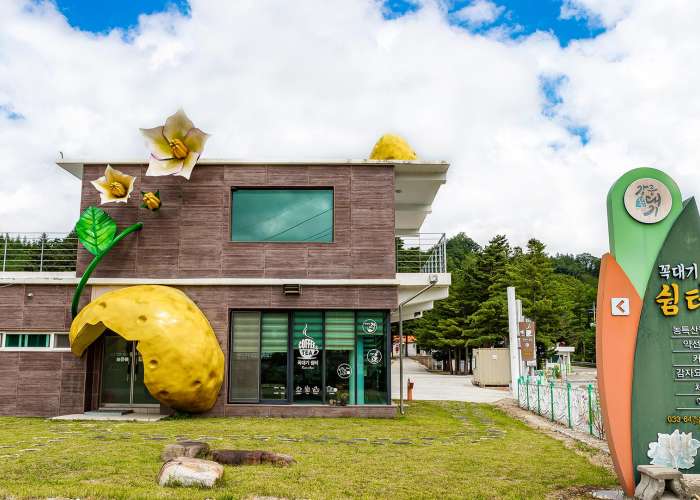
Daegiri Village in Gangneung is a lush highland village surrounded by green forests. It is far more than a typical mountain village—its vivid greenery is truly dazzling.Located at an elevation of over 700 meters along the Baekdudaegan mountain range that divides Gangwon State into east and west, the village is home to a rich ecosystem of alpine plants and seasonal wildflowers. Clear streams flow through deep valleys, preserving the grandeur and pristine nature of ancient forests, making it one of the finest forested highland villages in Korea.In the past, Daegiri was known as one of the most remote mountain villages. However, with the expansion of road networks including Local Routes 415 and 410 and National Route 35, access to Gangneung, Jeongseon, Donghae, Taebaek, and Pyeongchang has greatly improved. Today, it is easily accessible and visited year-round.
Tourist Guide
Daegiri is a typical mountain village where residents rely on agriculture, particularly highland vegetables and seed potato production, supplying about 25% of Korea’s seed potatoes. The villagers also collect forest products such as wild greens and mushrooms.To the south of the village are Nocheusan and Sadalsan Mountains, where the scholars Seol Chong and Yulgok Yi I once studied. The village also features several former school sites, including Daegi Elementary School and its branches, which have been repurposed. The former Daegi Elementary School is now used as a meeting hall and camping accommodation for visitors.Water flowing from different valleys converges and eventually joins Songcheon Stream, flowing toward Gujeol-ri in Jeongseon.
Travel Tips
Daegiri is known for its warm-hearted residents who reflect the purity of the surrounding nature. Their spirit has helped create a unique mountain village culture.Visitors can enjoy the Wangsan Valley Music Concert and observe various development projects that attract officials from across the country for study tours.There are pensions and mountain experience schools offering various rural experiences, as well as opportunities for hiking in the surrounding mountains. Nocheusan Mountain, located in Daegi 1-ri, rises to 1,322 meters. Its name is said to combine characters from ancient Chinese states. Midway up the mountain stands Iseongdae Pavilion, a two-story wooden structure honoring Seol Chong and Yulgok Yi I, where visitors can feel inspired toward learning.Heading toward Gujeol-ri in Daegi 3-ri, visitors will find the Nocheusan Forest Bathing Area. About 400 meters down the valley lies the Balwangsan Trail, where pristine waterfalls and diverse wildflowers such as Korean mint and monkshood can be seen. Hiking times vary from 1 to 4 hours depending on the route.The area features dense forests of pine, oak, ash, and birch trees, along with a wide variety of wildflowers. With its forest bathing facilities and natural interpretation boards, it is an ideal destination for relaxation and healing.Nearby is “Anbandegi,” known as the highest village under the sky, where vast highland fields stretch along mountain slopes, creating a stunning landscape shaped by both nature and human effort.Daegiri also has lily cultivation areas, offering visitors the chance to enjoy the delicate fragrance of lilies. Visiting Daegiri Village feels like receiving a complete gift set of nature and experiences.
#고산식물#고원지대#문화#산골체험학교#체험#힐링#산골
-
-
Gyeongpo Area
Metaverse Experience Center
Registered as Gangwon Province’s 27th museum, the Coffee Museum offers a rich exhibition of coffee artifacts from around the world, allowing visitors to explore the history and culture of coffee globally.
Introduction
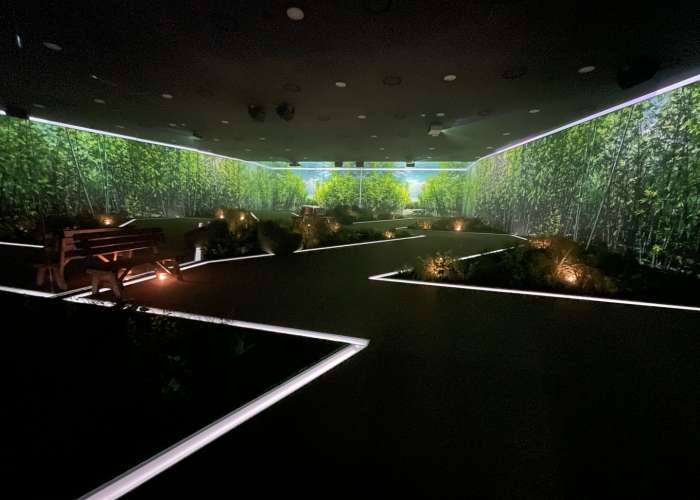
Gangneung Metaverse Experience Center is a space where you can explore metaverse technology and winter sports, filled with advanced interior design and exciting attractions—a dreamlike venue.Located next to the beautiful Gyeongpo Lake, the Gangneung Metaverse Experience Center offers a new dimension where virtual and real worlds seamlessly merge.Explore a digital world composed of diverse content and VR technology, and experience firsthand the vision of future technology.A unique experience awaits you, blending Gangneung’s natural beauty with cutting-edge technology.A place where imagination becomes reality—welcome to the Gangneung Metaverse Experience Center.We invite you to a dream space where you can freely unfold your imagination.
Tourist guide
Nearby attractions include Arte Museum Gangneung, Gyeongpo Lake, Gyeongpo Beach, Chodang Tofu Village, Gangmun Beach, Heo Gyun and Heo Nanseolheon Memorial Park, and popular spots in Chodang-dong.
Tourist Tips
Advance reservations are recommended for a more convenient visit, though walk-in admissions are also accepted.Located adjacent to Gyeongpo Lake and Arte Museum, you can easily enjoy nearby attractions, restaurants, and beaches in the Gyeongpo, Chodang, and Gangmun areas on foot.
#체험#메타버스#체험관#전시관#관람#가족여행#어린이#체험#메타버스#체험관#전시관#관람#가족여행#어린이
-
-
Gyeongpo Area
Gyeongpo Aquarium
A large-scale aquarium showcasing the lagoon ecosystem of Gangneung
Introduction
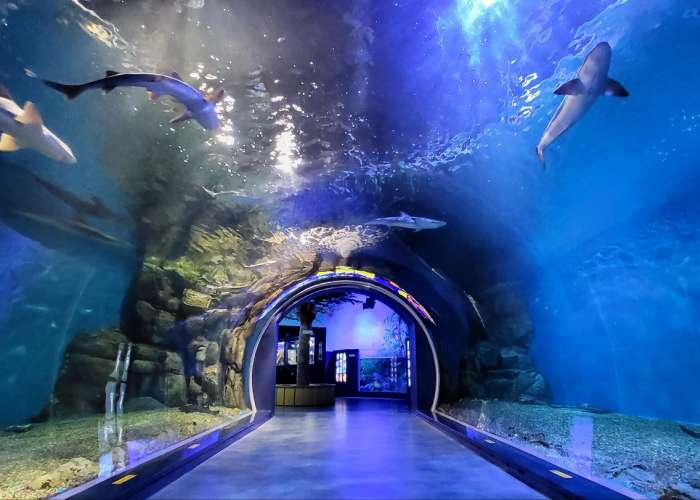
The Gyeongpo Lagoon Ecology Center is located right behind the Gangneung Green City Experience Center. It offers excellent accessibility, as it is close to the beautiful Gyeongpo Beach, the Gyeongho Lagoon, and the Heo Gyun & Heo Nanseolheon Memorial Park. In terms of total water volume, it is even larger than the aquarium in Seoul’s 63 Building. From 10:00 AM to 4:00 PM, aquarists provide hourly guided explanations, which can greatly enhance your visit if you plan your time accordingly. Visitors can also enjoy a feeding show where divers enter the tank to feed the fish, and experience doctor fish that gather when you place your hands in the water.
Tourist Guide
Upon entering the indoor exhibition hall (Admission: Adults KRW 20,000 / Teenagers KRW 18,000 / Children KRW 16,000), visitors are recommended to explore the first floor first, followed by the second floor. The first floor features various fish species along with otters, while the second floor houses a large tank and a fish-themed kids’ café.
Travel Tips
The Gyeongpo Lagoon Ecology Center is located right behind the Gangneung Green City Experience Center. It is conveniently situated near Gyeongpo Beach, the Gyeongho Lagoon, and the Heo Gyun & Heo Nanseolheon Memorial Park. In terms of water volume, it surpasses the aquarium at Seoul’s 63 Building. From 10:00 AM to 4:00 PM, hourly explanations by aquarists are available to enrich your visit. Visitors can also watch feeding shows where divers enter the tanks, and interact with doctor fish by placing their hands in the water. Additionally, Gyeongpo Aquarium offers free, eye-level guided explanations every hour on the hour.Admission Discounts: Gangneung residents (30%), Gangwon Special Self-Governing Province residents (20%), Seniors aged 65 and above / Persons with disabilities (35%) — discounts available upon presentation of valid identification documents
-
-
Daegwallyeong
Coffee Museum
Registered as Gangwon Province’s 27th museum, the Coffee Museum offers a rich exhibition of coffee artifacts from around the world, allowing visitors to explore the history and culture of coffee globally.
Introduction
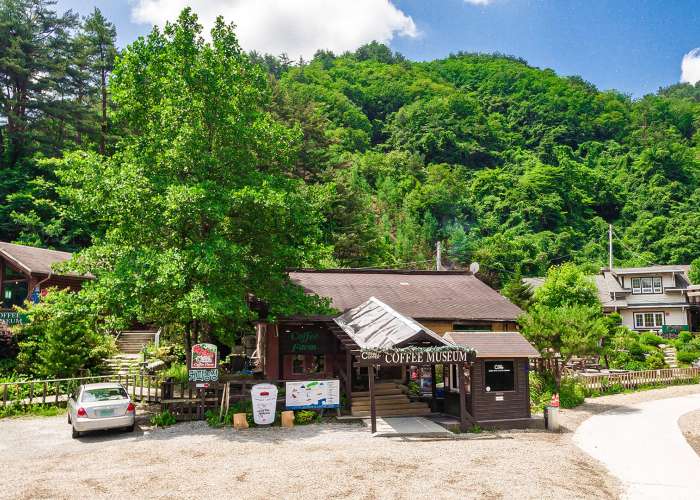
Registered as Gangwon Province’s 27th museum, the Coffee Museum offers a rich exhibition of coffee artifacts from around the world, allowing visitors to explore the history and culture of coffee globally. It serves as a community space where coffee enthusiasts of all ages can learn about and engage with coffee. Visitors can directly observe and experience the entire process—from coffee cultivation to artifact displays.
Tourist guide
The museum is divided into five main sections: the General Exhibition Hall, Special Exhibition Hall, Coffee Experience Hall, Coffee Education Hall, and Museum Café.Hall 1: Displays artifacts showcasing the history and culture of coffee.Hall 2: Features coffee roasters and grinders.Hall 3: Exhibits coffee makers and various brewing tools used in coffee extraction.Hall 4: Houses a greenhouse with various coffee plants.Hall 5 (Coffee Experience Hall): Offers opportunities to smell and taste different types of coffee.The Museum Café serves specialty coffee along with a variety of side menus.
Tourist Tips
Visitors are recommended to follow the museum map for an efficient tour. Admission includes a complimentary brewed or Dutch coffee. Various hands-on experiences such as roasting, hand drip brewing, and seedling planting are available. Group visits of 20 or more require prior reservation for guided tours or programs. The adjacent Coffee Farm, Korea’s first commercial coffee farm, offers insight into coffee cultivation and features the oldest coffee tree in the country.
#커피#유물#박물관#문화#커피나무#커피체험관#카페
-
-
Downtown
Gangneung Olympic Museum
The Gangneung Olympic Museum, a legacy of the 2018 Winter Olympics, serves to educate visitors and citizens about the Olympic spirit.
Introduction
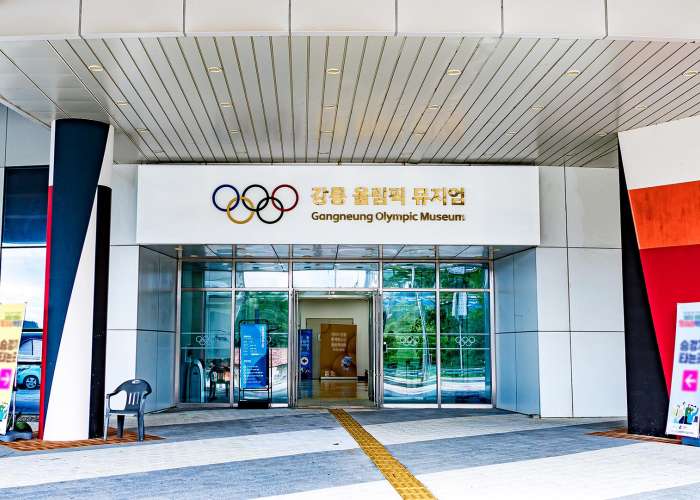
The Gangneung Olympic Museum, a legacy of the 2018 Winter Olympics, serves to educate visitors and citizens about the Olympic spirit. It features various interactive facilities and exhibits Olympic memorabilia, providing a comprehensive insight into the history of the Olympics.
Tourist guide
The museum displays Olympic medals, torch relays, posters from past Winter Olympics, commemorative badges, and more, allowing visitors to relive the glory of the PyeongChang Winter Olympics and the legacy of the Games. Beyond being a simple exhibition space, it operates as a unique educational and experiential facility focused on learning and understanding the Olympic spirit.
#체험시설#올림픽#기념물#동계올림픽#올림픽메달#평창동계올림픽#기념시설