Introduction
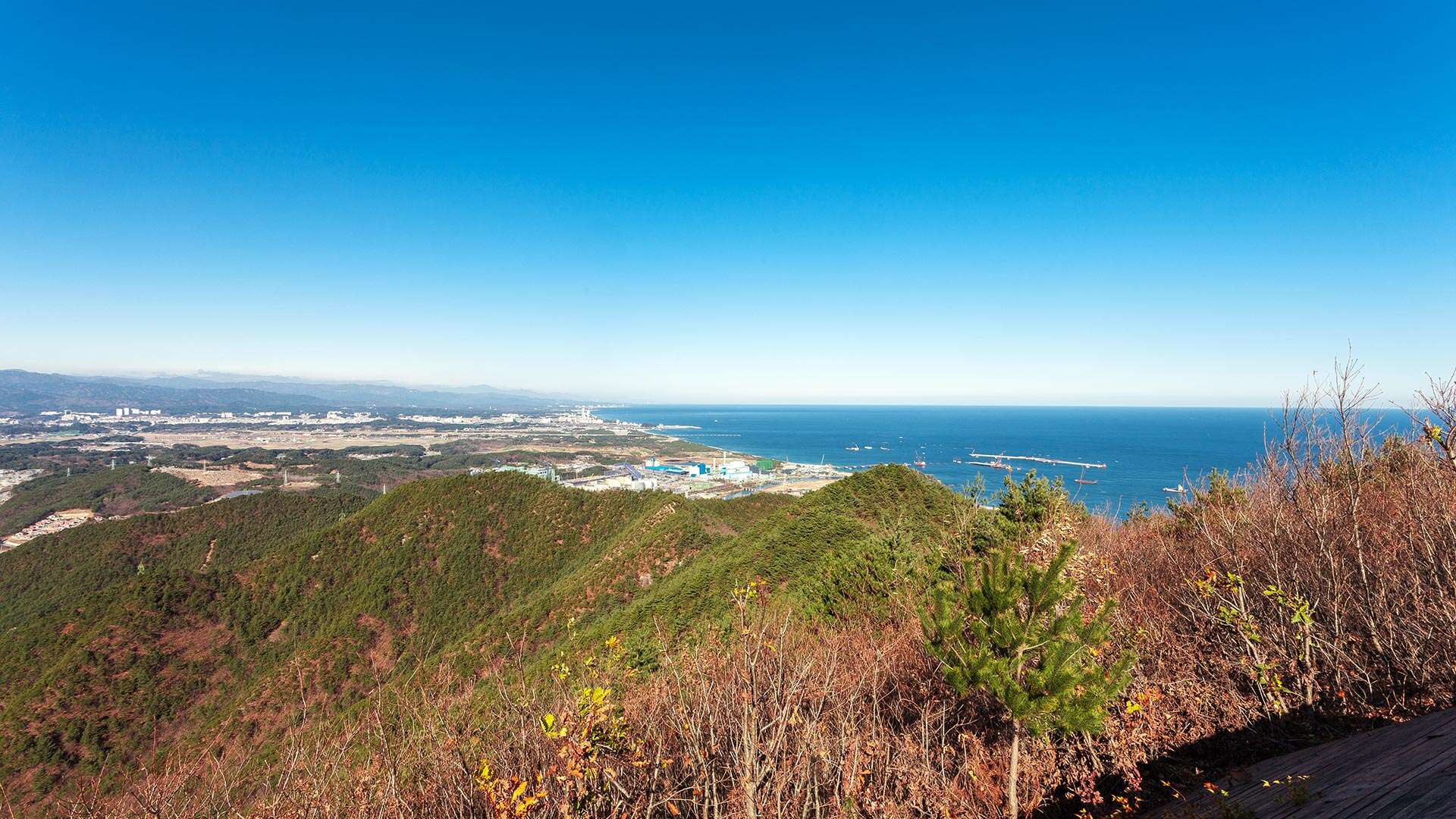
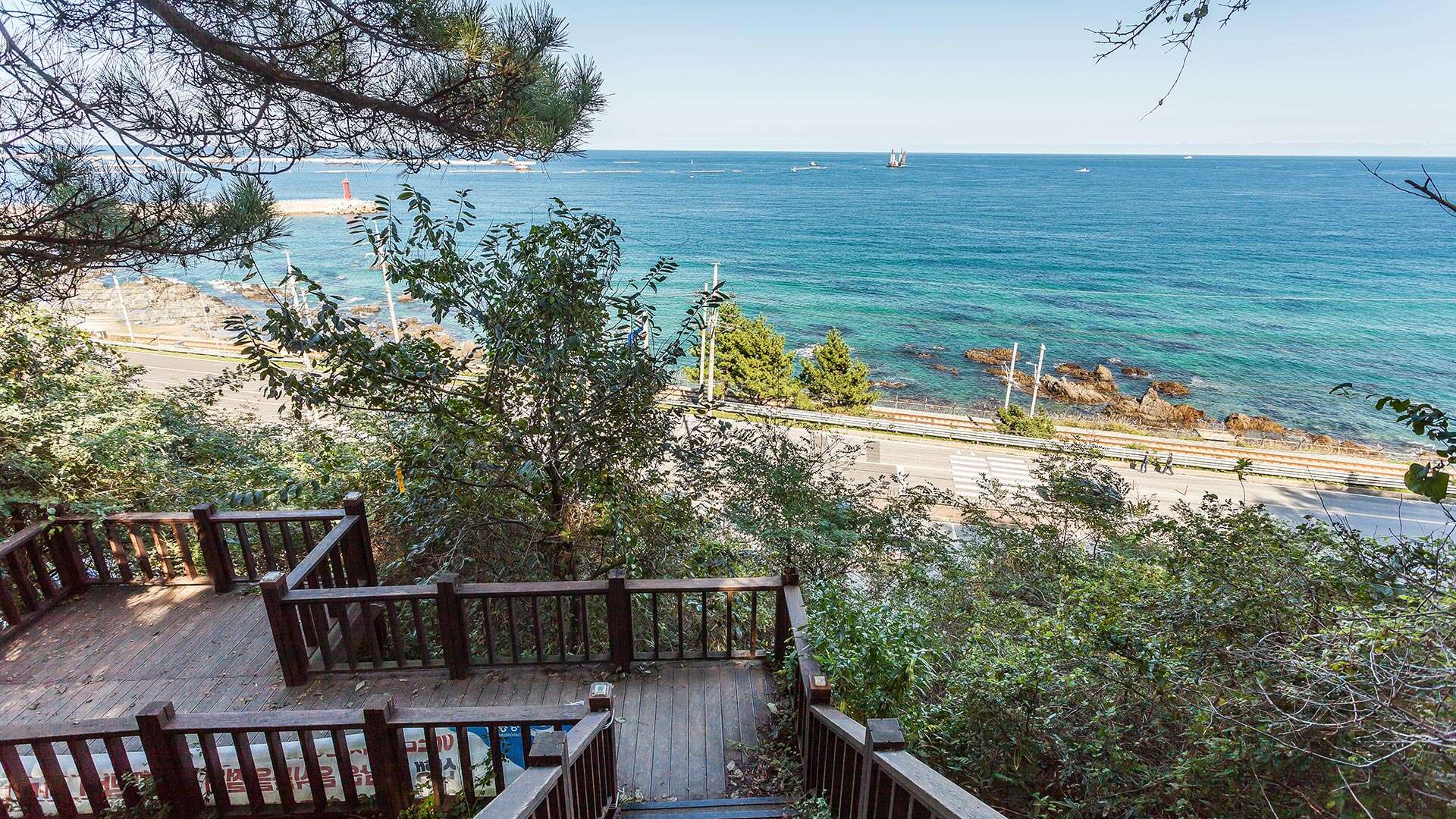
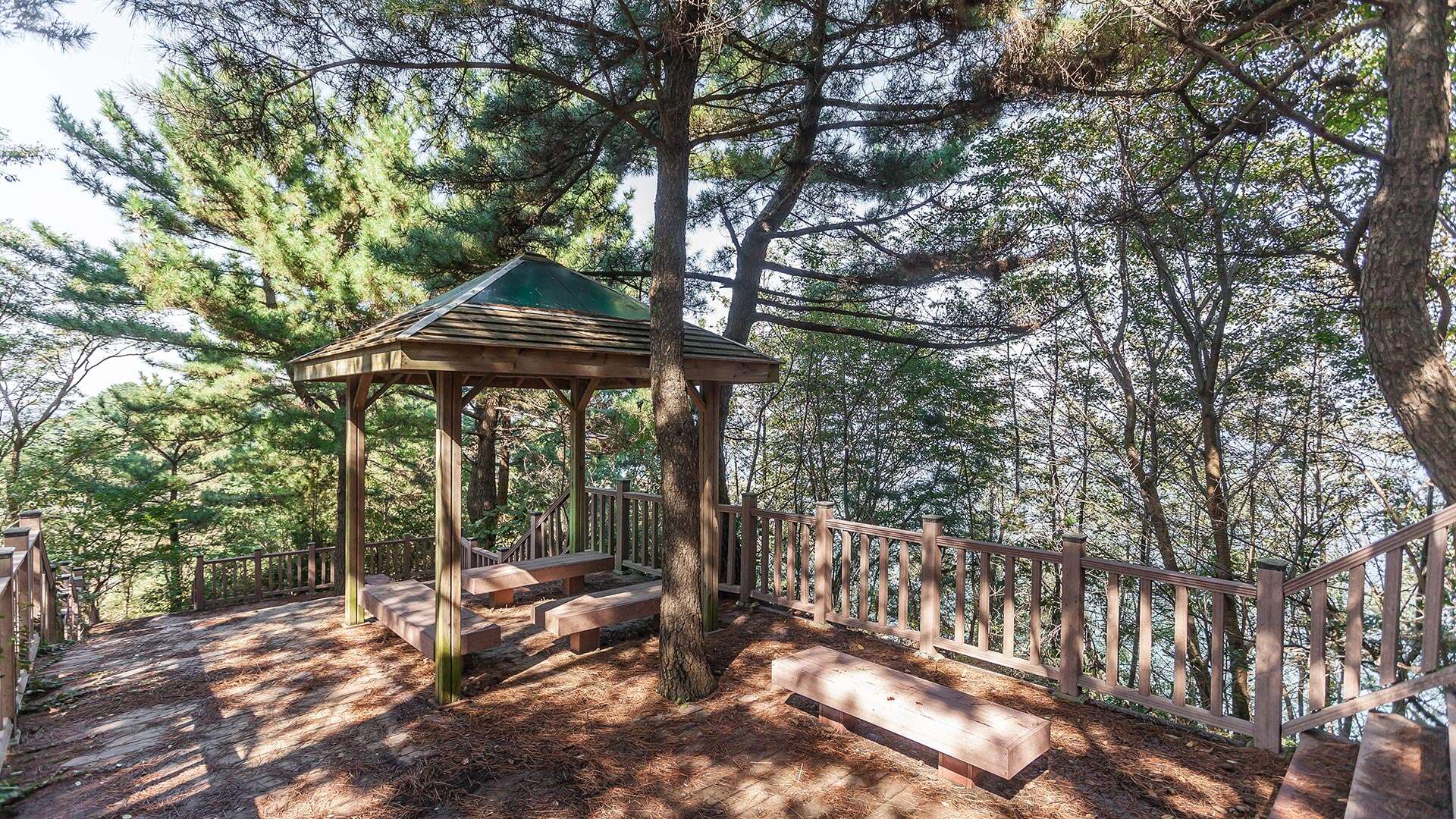
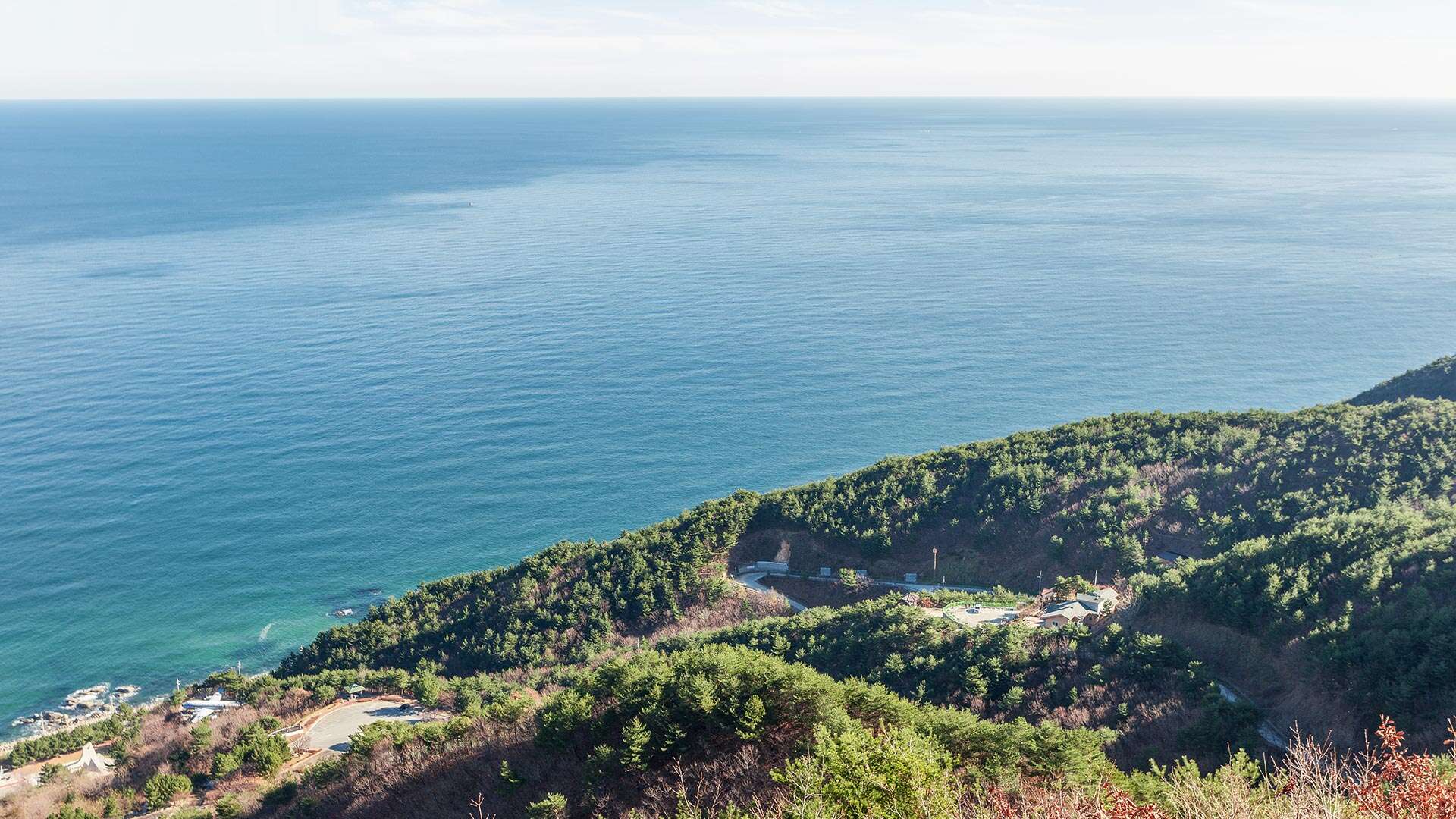
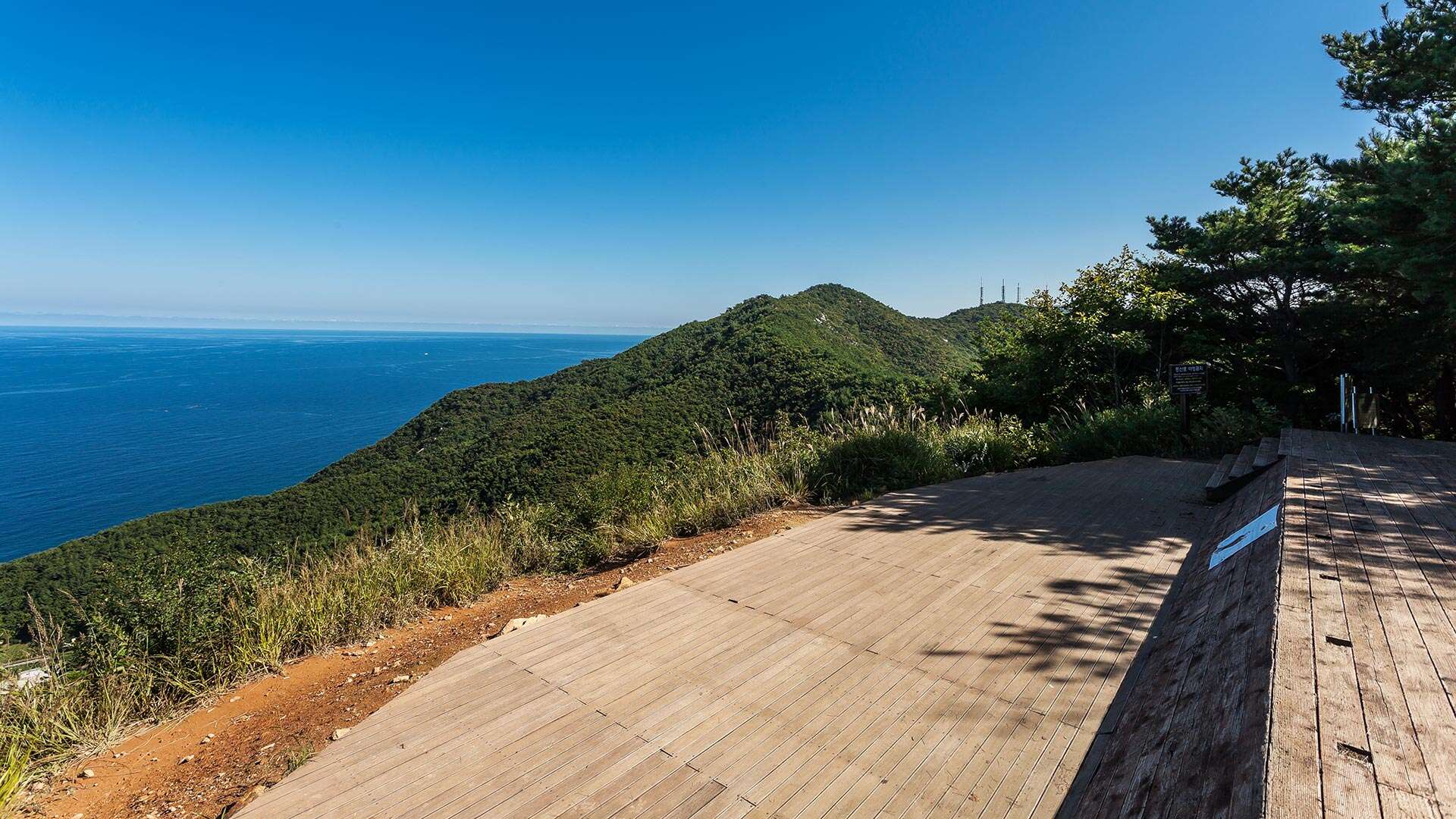
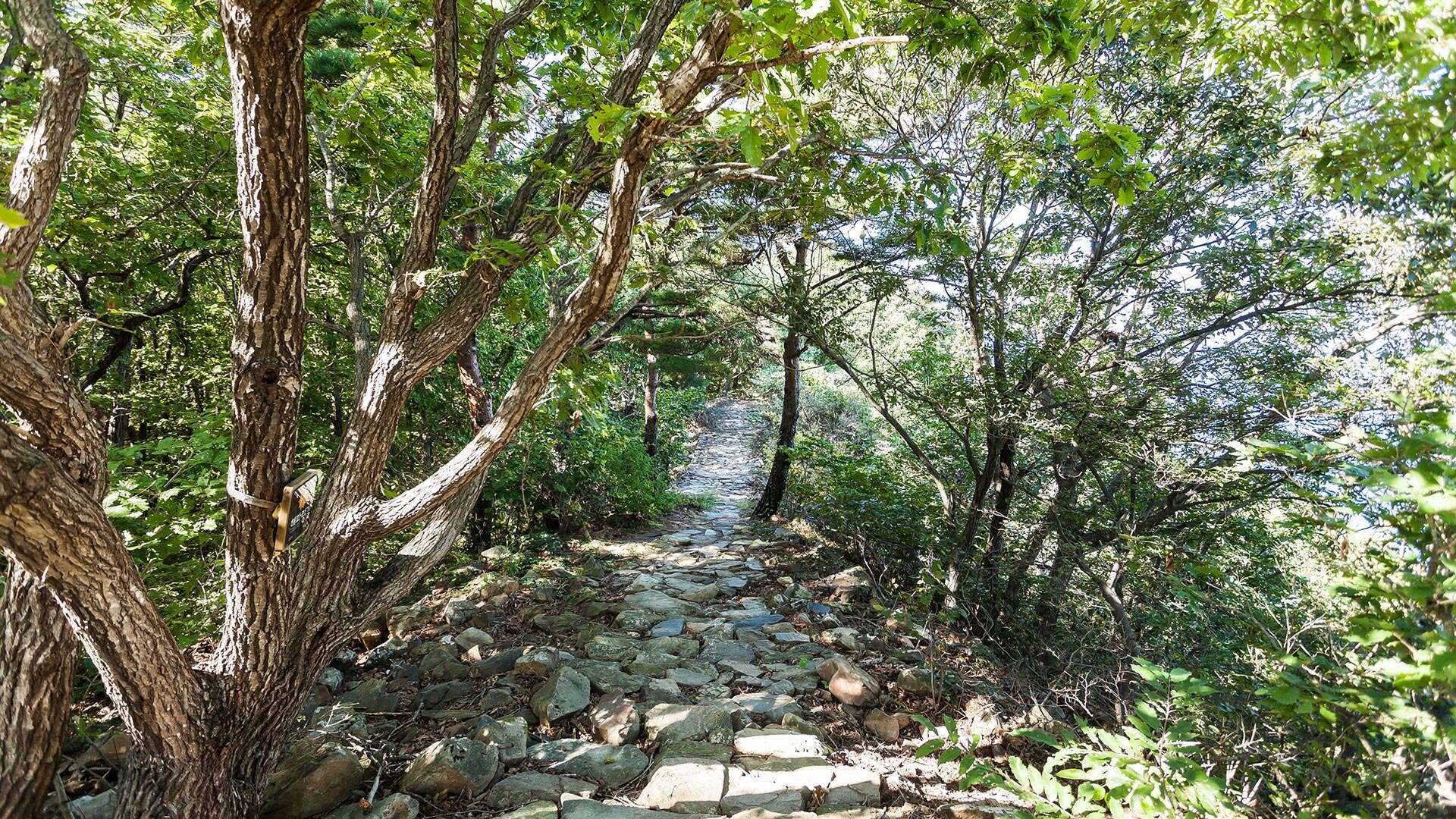
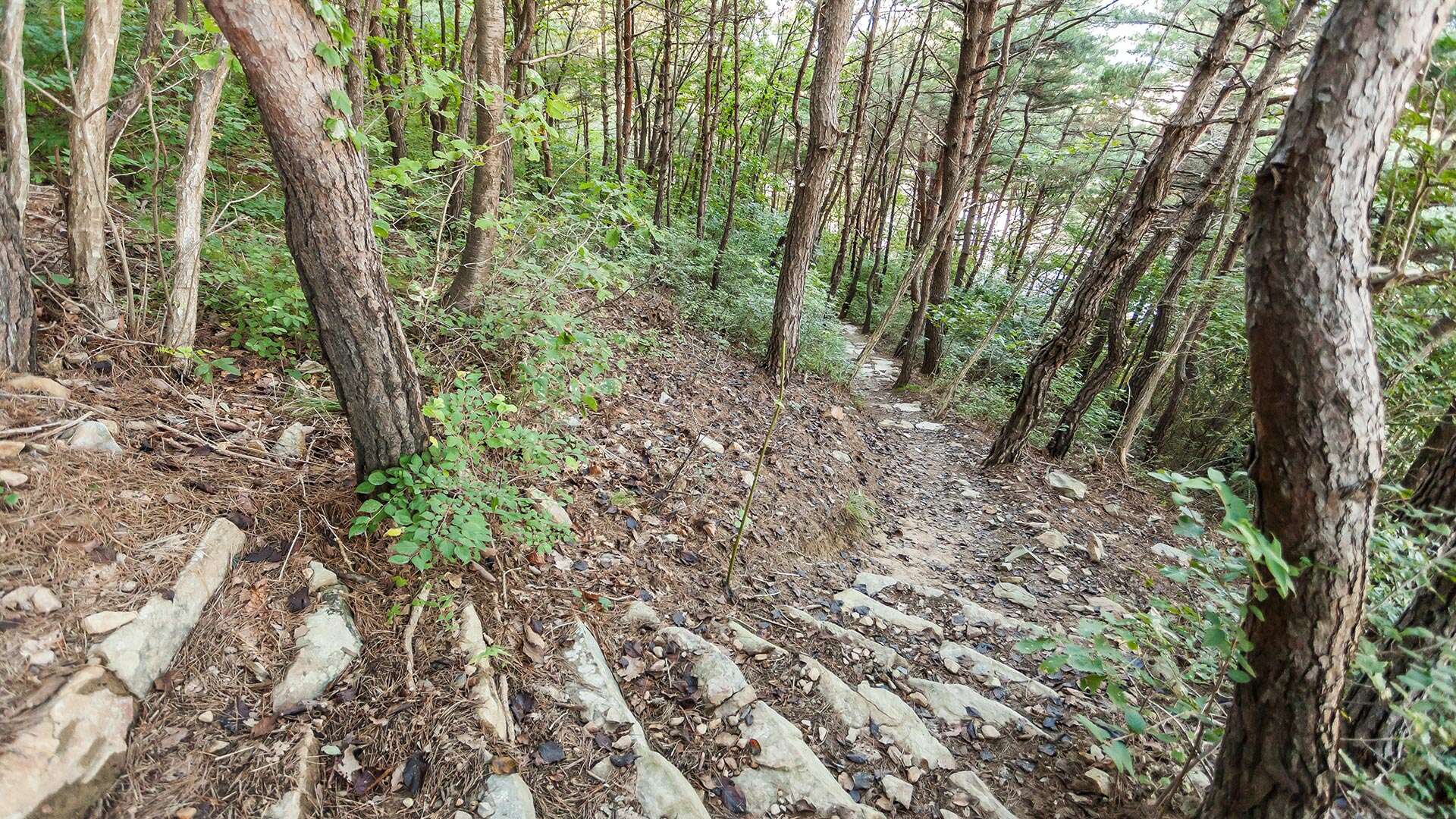
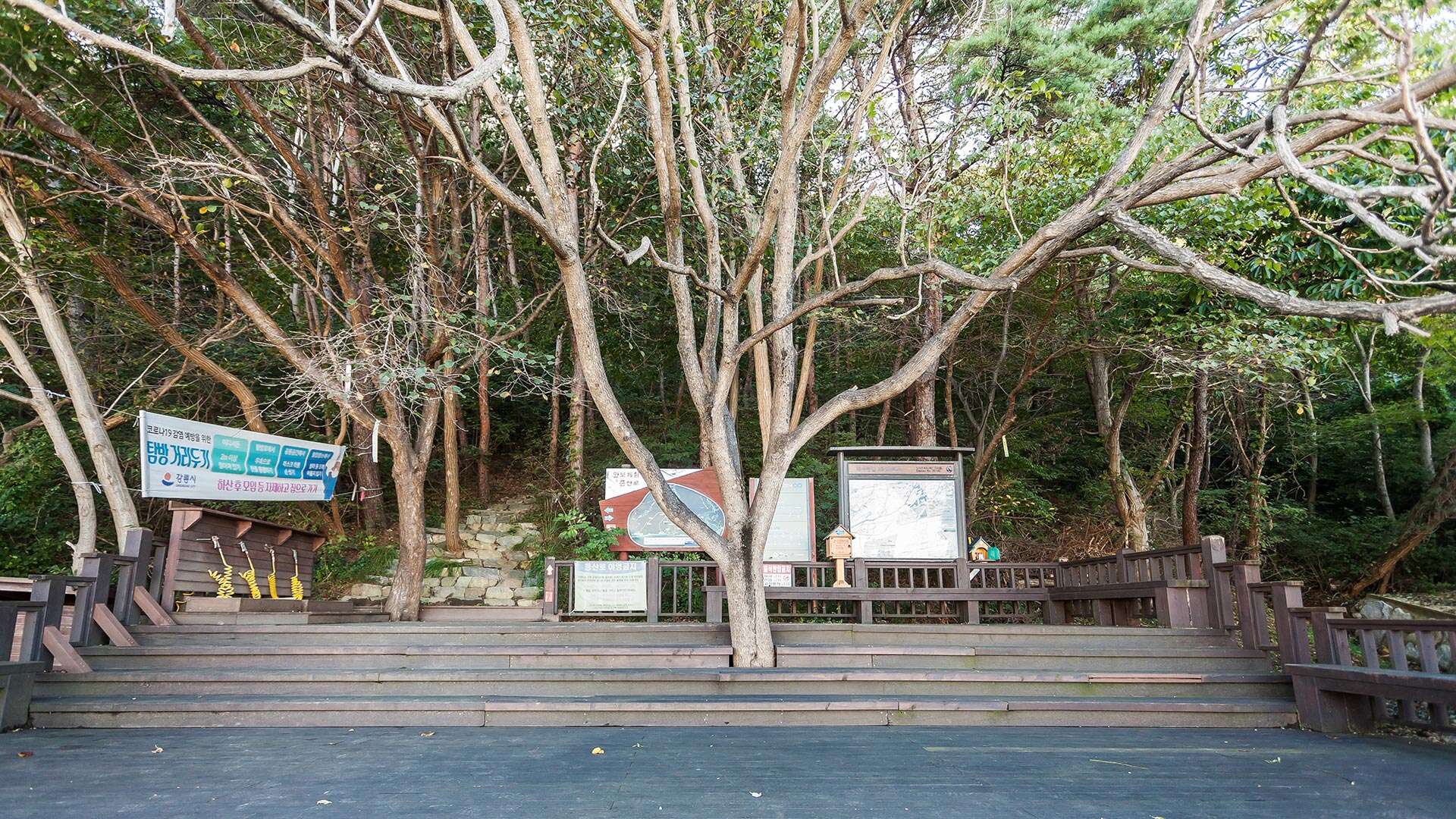
“Haeparang Trail Course 36” is a route that begins at “Jeongdongjin Station” and continues to “Anin Beach.” This course connects to the hiking trail of “Gwaebangsan Mountain,” requiring a moderate level of physical fitness, and offers an enjoyable trekking experience with breathtaking views of the blue East Sea from the mountain.
Tourist Guide
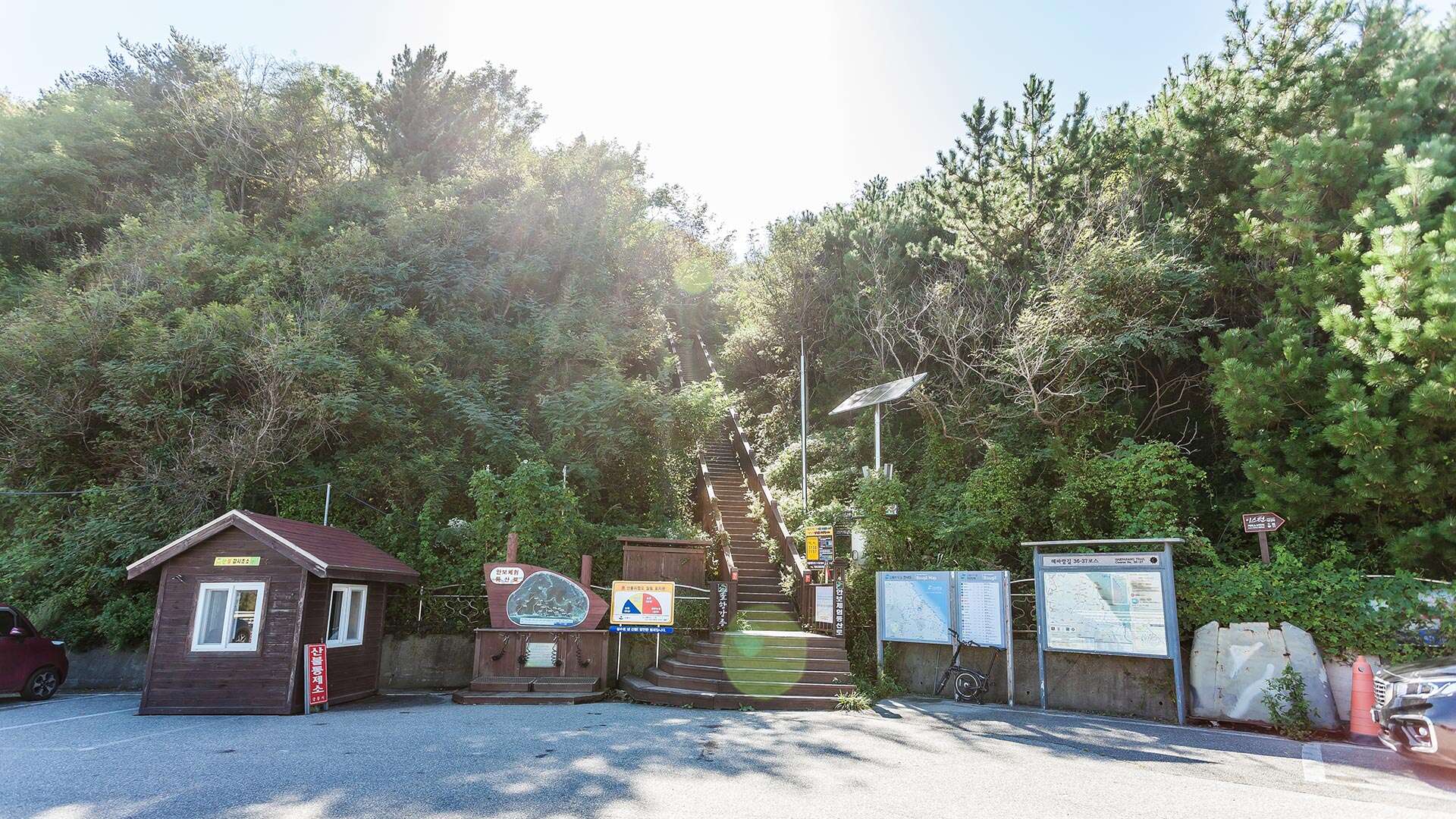
The course starts at “Jeongdongjin Station,” passes by “Dangjip Shrine,” and continues to “Anin Beach.” The total distance is 9.5 km, and it takes approximately 3 hours and 20 minutes to complete. The starting point of “Haeparang Trail Course 36” is “Jeongdongjin Station.” To visit the course using public transportation, take Bus No. 109 from “Gangneung Intercity Bus Terminal,” get off at the “Jeongdong Elementary School” stop, and walk approximately 400 meters.
Travel Tips
The first stop of “Haeparang Trail Course 36,” “Jeongdongjin Station,” is located in Gangdong-myeon, Gangneung-si, Gangwon State. It is widely regarded as one of the most beautiful places to watch the first sunrise of the New Year, attracting many visitors each year who come to create unforgettable memories. “Jeongdongjin Station” is also famous as a filming location for the drama “Sandglass,” and features various photo zones where visitors can capture special moments with loved ones.
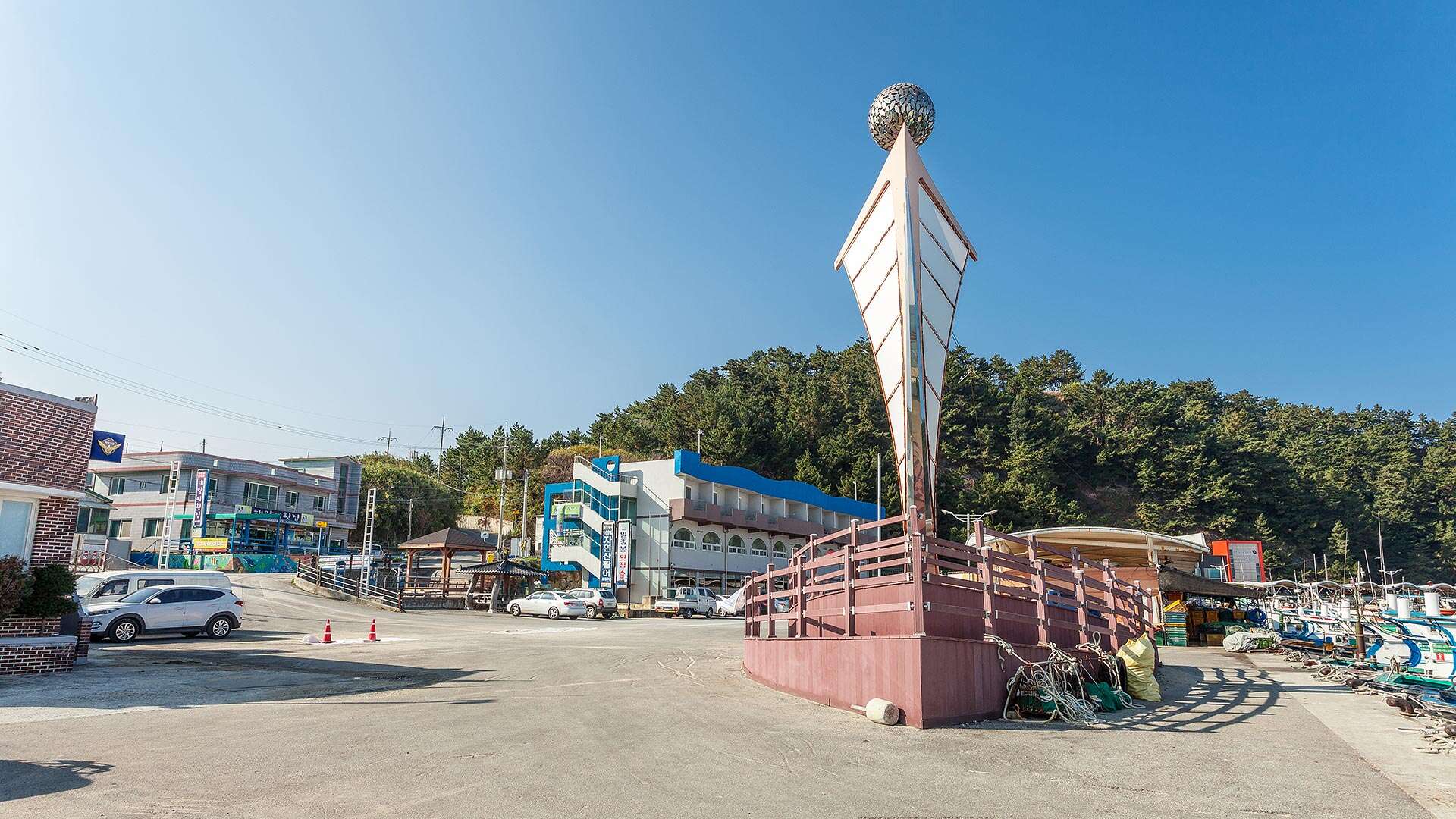
Continuing along the course, you will encounter “Dangjip Shrine,” which marks approximately the halfway point. After passing “Dangjip Shrine,” continue trekking toward the final destination, “Anin Beach.”
At “Anin Beach,” the final stop of “Haeparang Trail Course 36,” you can admire the beautiful natural scenery where the blue sea harmonizes with the surrounding trees. “Anin Beach” is located in Anin-ri 2, Gangdong-myeon, Gangneung-si, Gangwon State. With its clear waters and shallow depth, it is a popular summer vacation destination.
Near “Anin Beach” stands “Haerangdang Shrine.” According to legend, long ago, the magistrate of Gangneung enjoyed leisure activities such as swinging with a gisaeng (courtesan), but after she fell and died, storms and poor fishing began to plague the sea. The villagers built a stone altar and held rituals, but the misfortunes continued. Eventually, they crafted a wooden phallic symbol and performed a ritual, after which the storms subsided and fish became abundant again. This legend has been passed down through generations.