Introduction
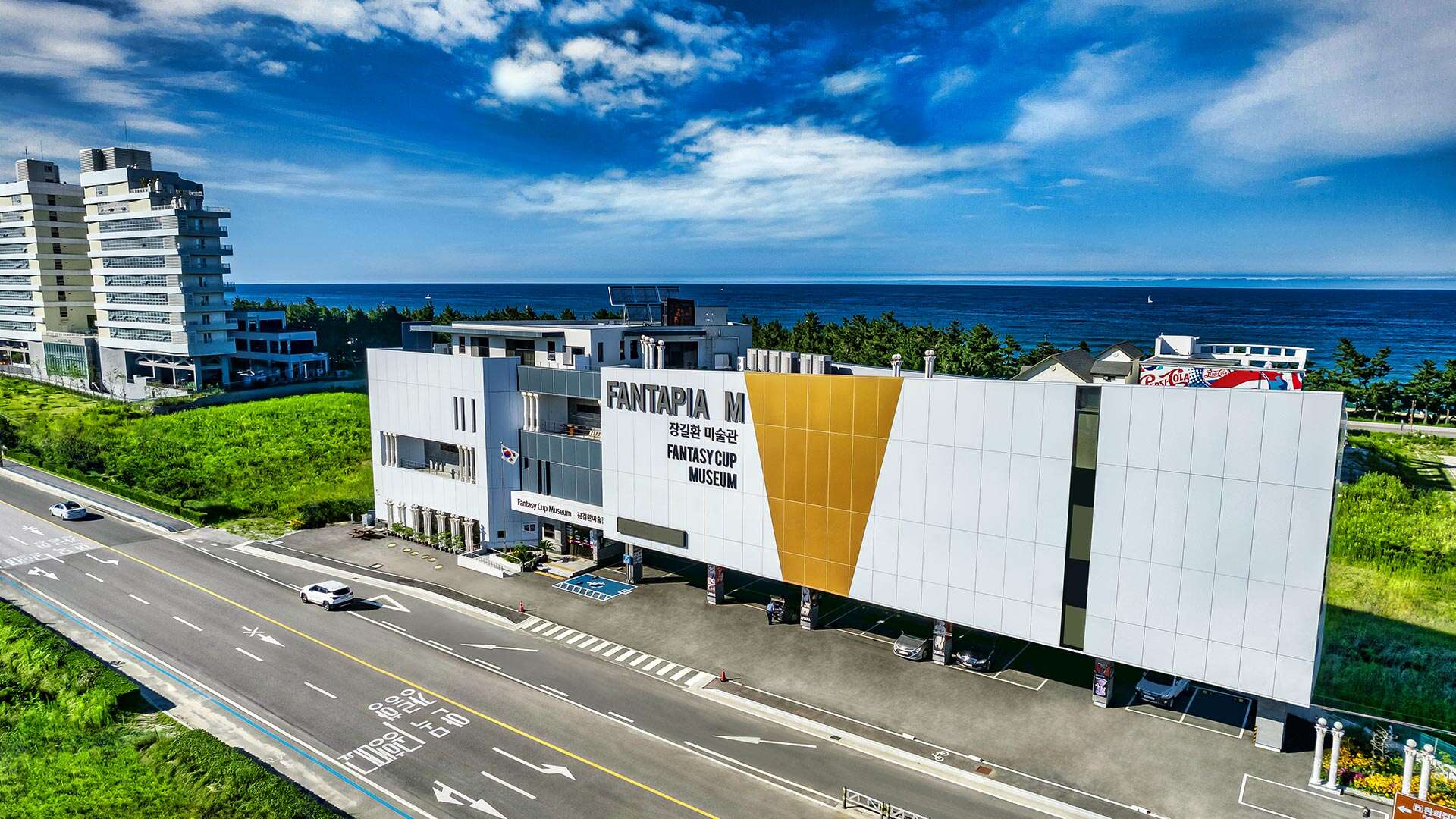
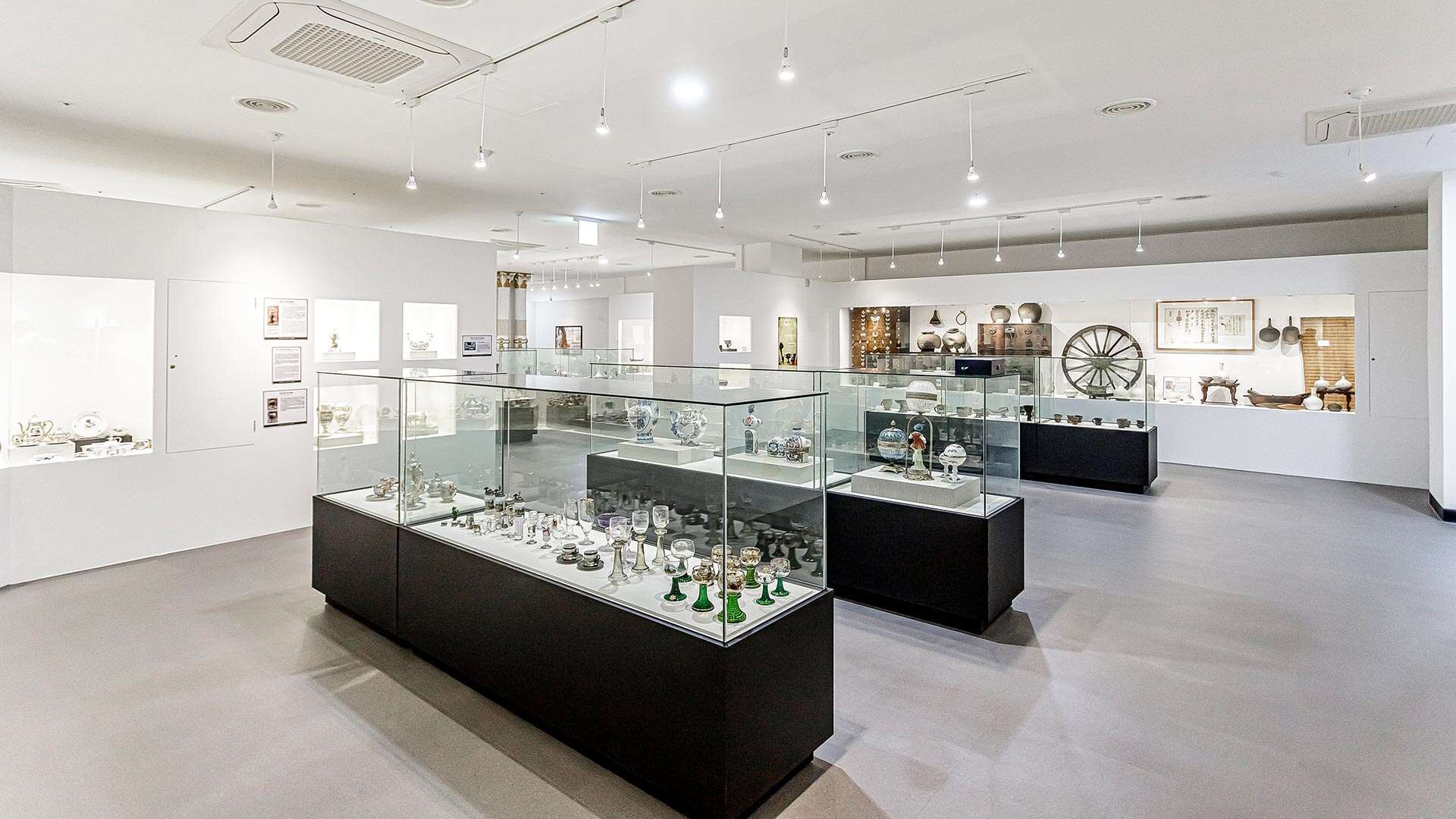
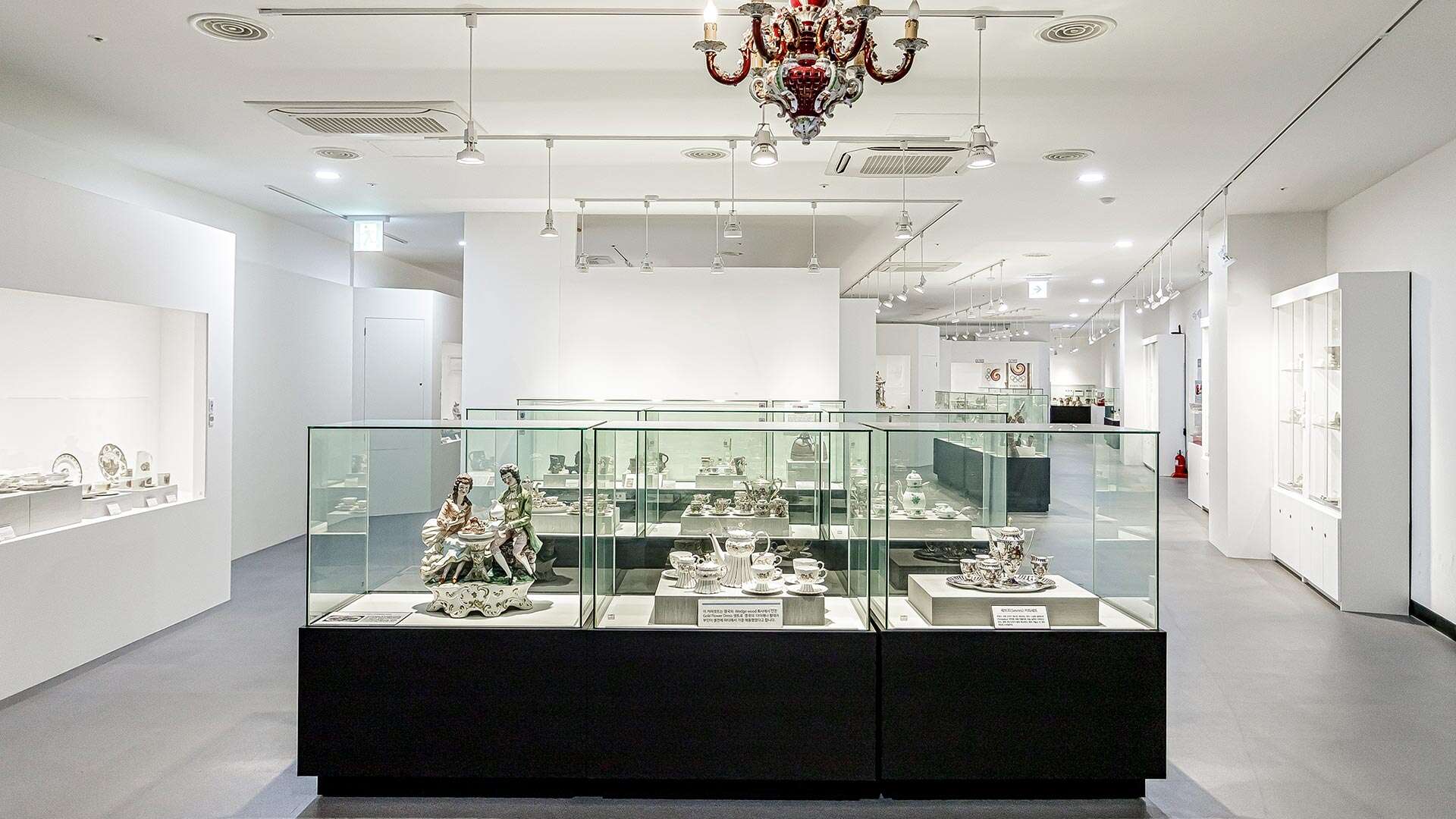
The “Hwanhee Cup Museum” is located at the entrance of Anmok Coffee Street in Gangneung, Gangwon State. As the first cup museum in Korea, it offers a variety of exhibitions that provide insight into the culture and art surrounding “cups,” one of the objects closest to human daily life. The museum houses approximately 2,500 cups from 78 countries around the world, with about 1,300 pieces on display.
Tourist Guide
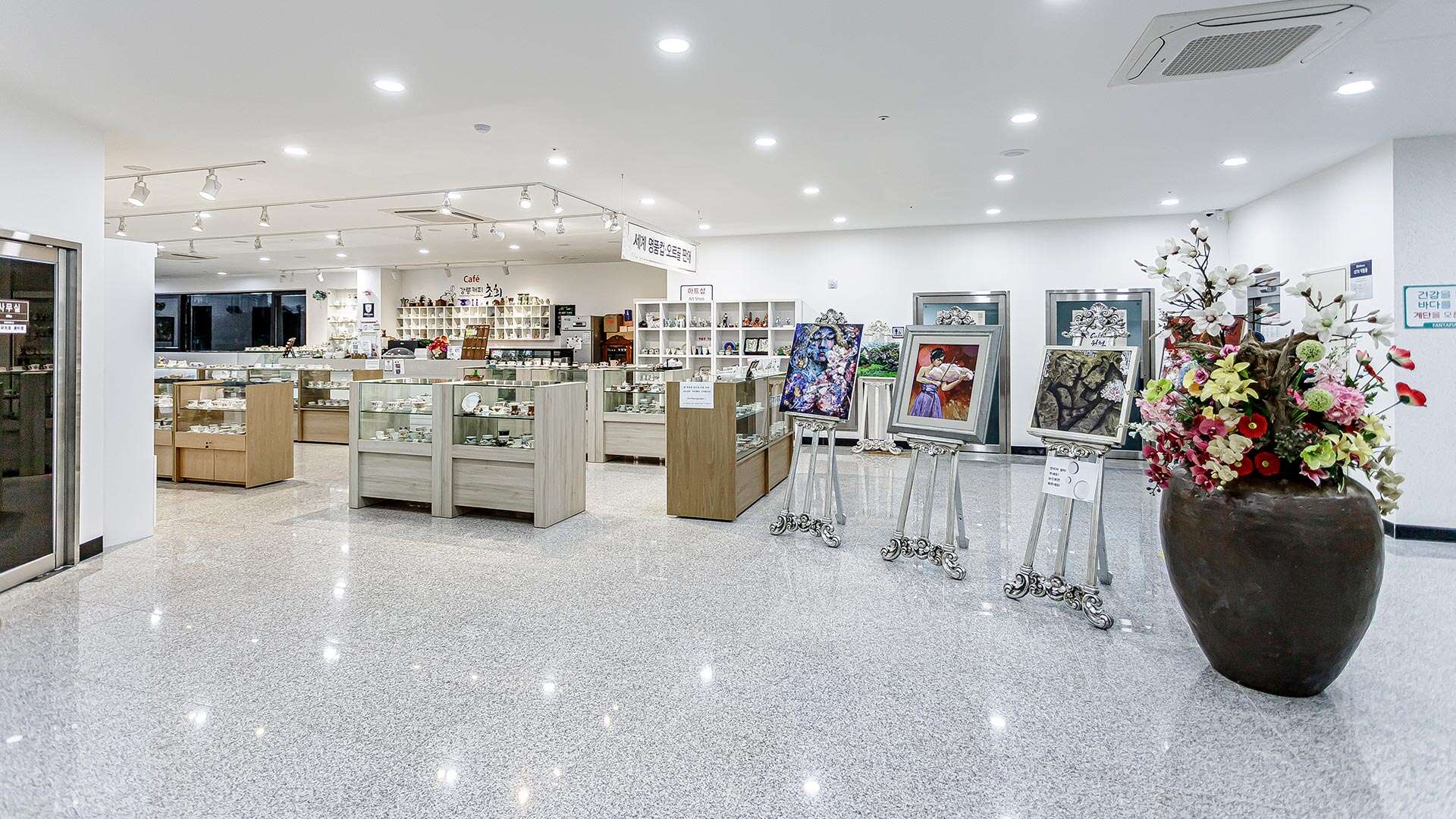
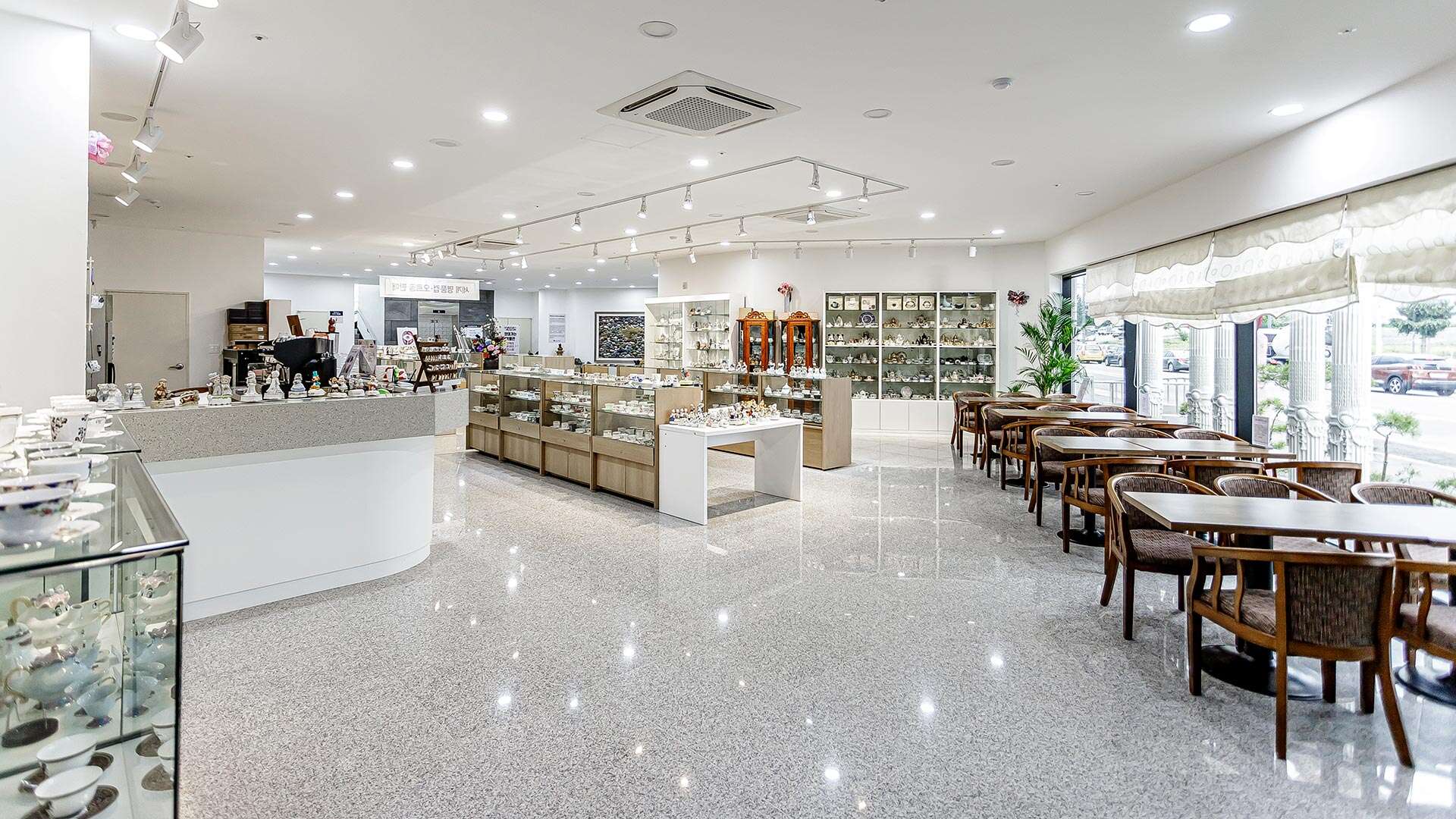
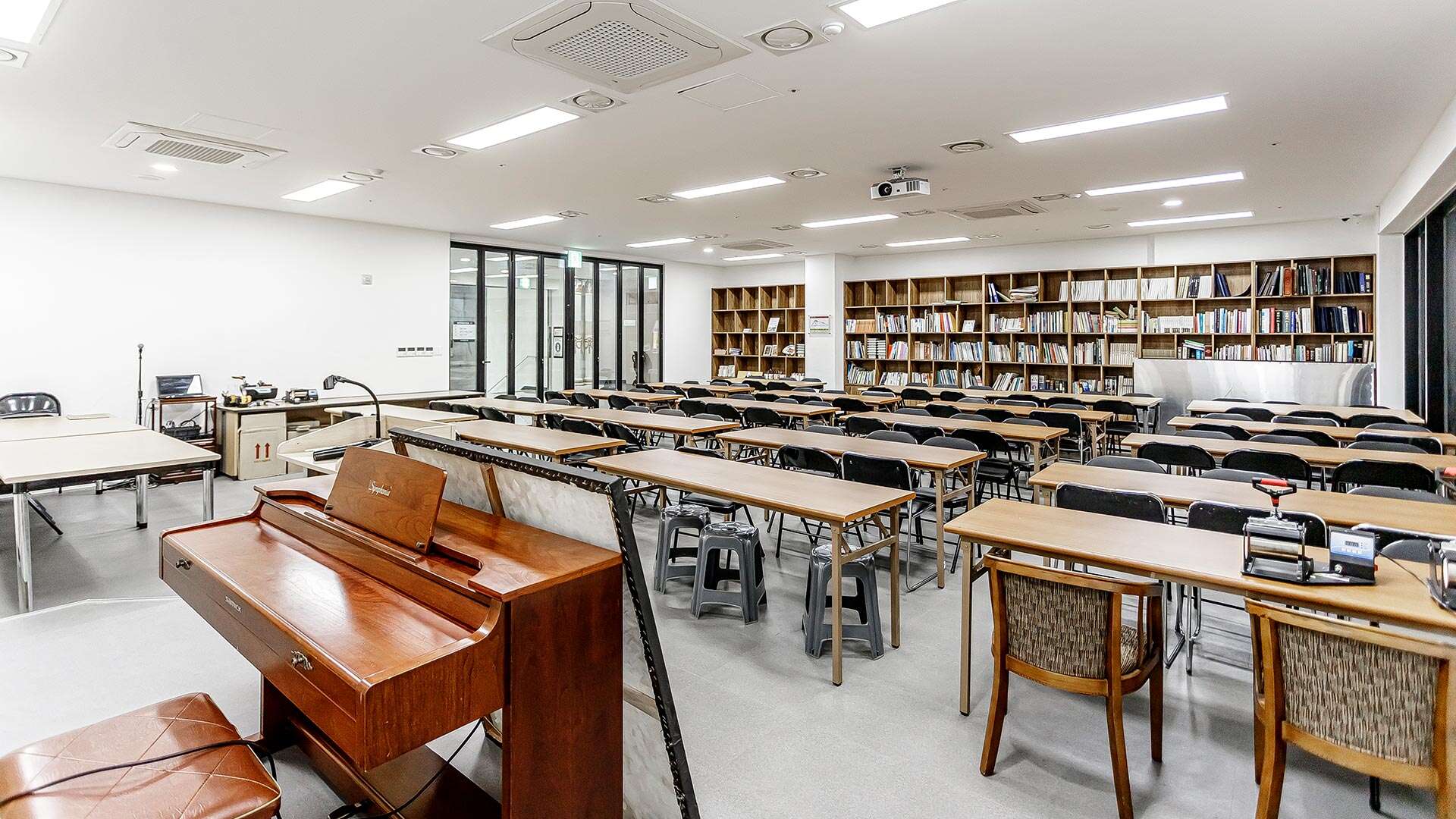
The Hwanhee Cup Museum showcases a wide range of cups and folk artifacts from around the world, spanning from the 16th century to modern times. Its facilities include an outdoor garden, a cup-making experience center, an antique cup coffee experience space, an archive room, a parking lot, and an art shop where imported cups are available for purchase.
Travel Tips
The Hwanhee Cup Museum is the first of its kind in Korea, displaying around 25,000 cups collected by the museum director, Jang Gil-hwan, during his travels to 78 countries. Historically, alcohol and tea have often been used for noble purposes, and thus the cups used for drinking them have been imbued with various meanings. Cups have played an essential role in traditional ceremonies and celebrations, and even in quiet tea gatherings with acquaintances, they have symbolized etiquette and respect.
Additionally, cups have been awarded as prizes in various international competitions in arts, culture, and sports, representing the identity of each country. In this way, cups have evolved alongside human history, reflecting the culture and trends of different nations.
At the Hwanhee Cup Museum in Gangneung, visitors can explore exhibitions categorized by country, era, material, and purpose, gaining insights into the cultures of different times and regions.
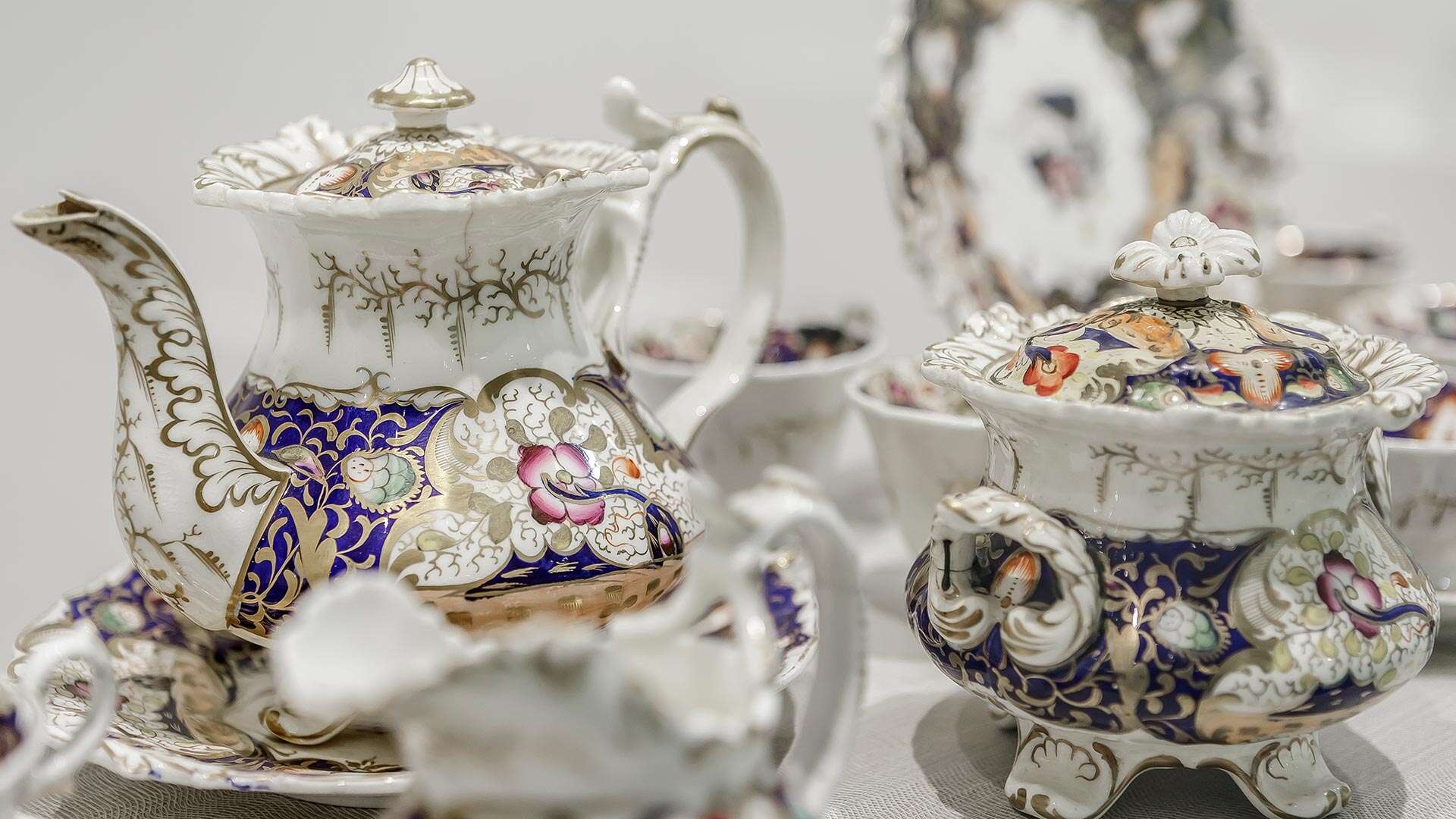
In particular, the museum features rare and highly valuable collections such as the Italian Roman mythology mug, Germany’s Meissen coffee cup, and the British Royal Family full-set coffee cups, all of which are extremely rare even internationally and possess outstanding artistic value. Visitors are highly encouraged not to miss these remarkable exhibits.
In addition, visitors can also view traditional cups from Africa, as well as those from Tibet and Bhutan, which are rarely seen in Korea, offering a unique opportunity to explore diverse cultures through cups.
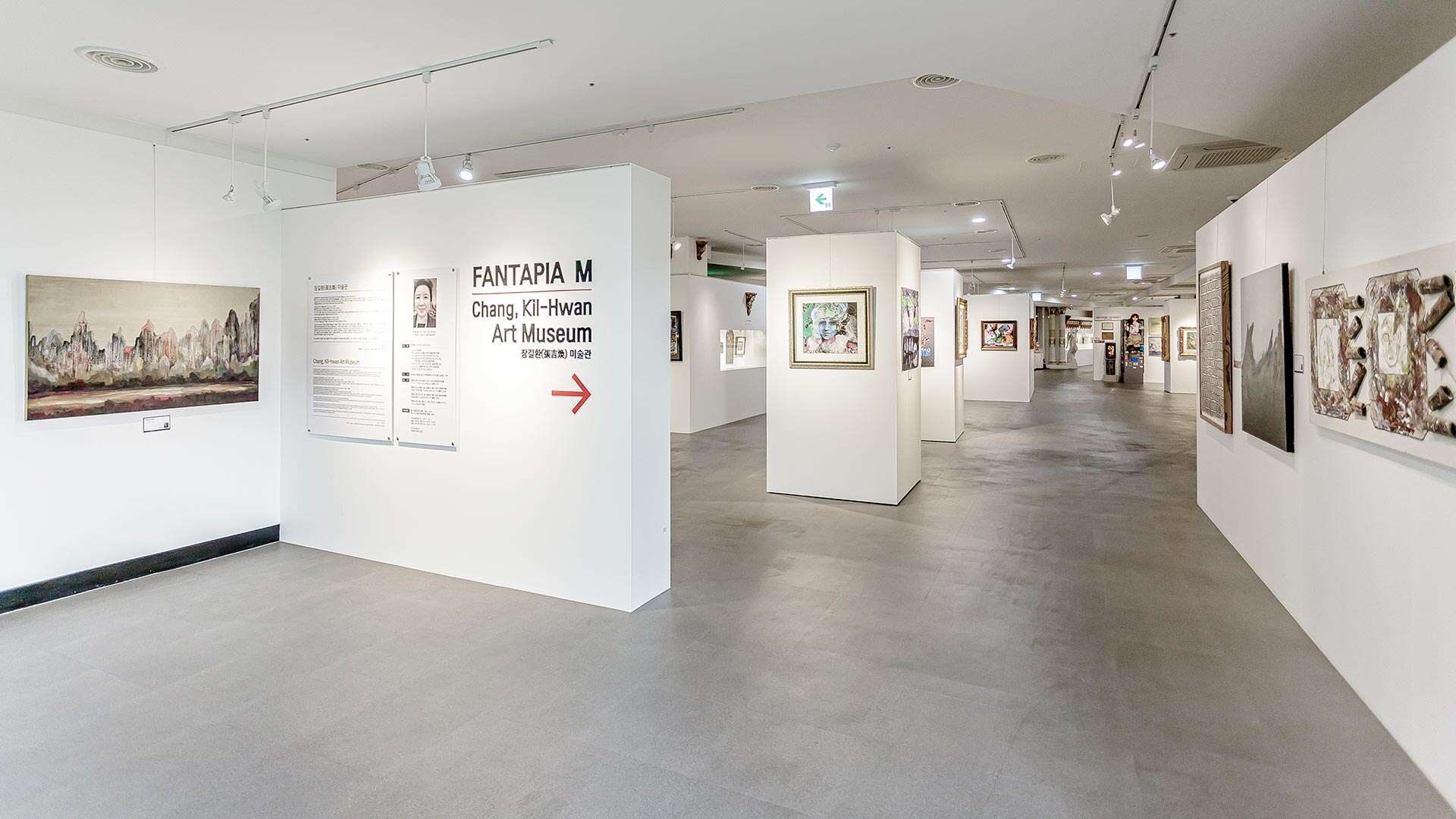
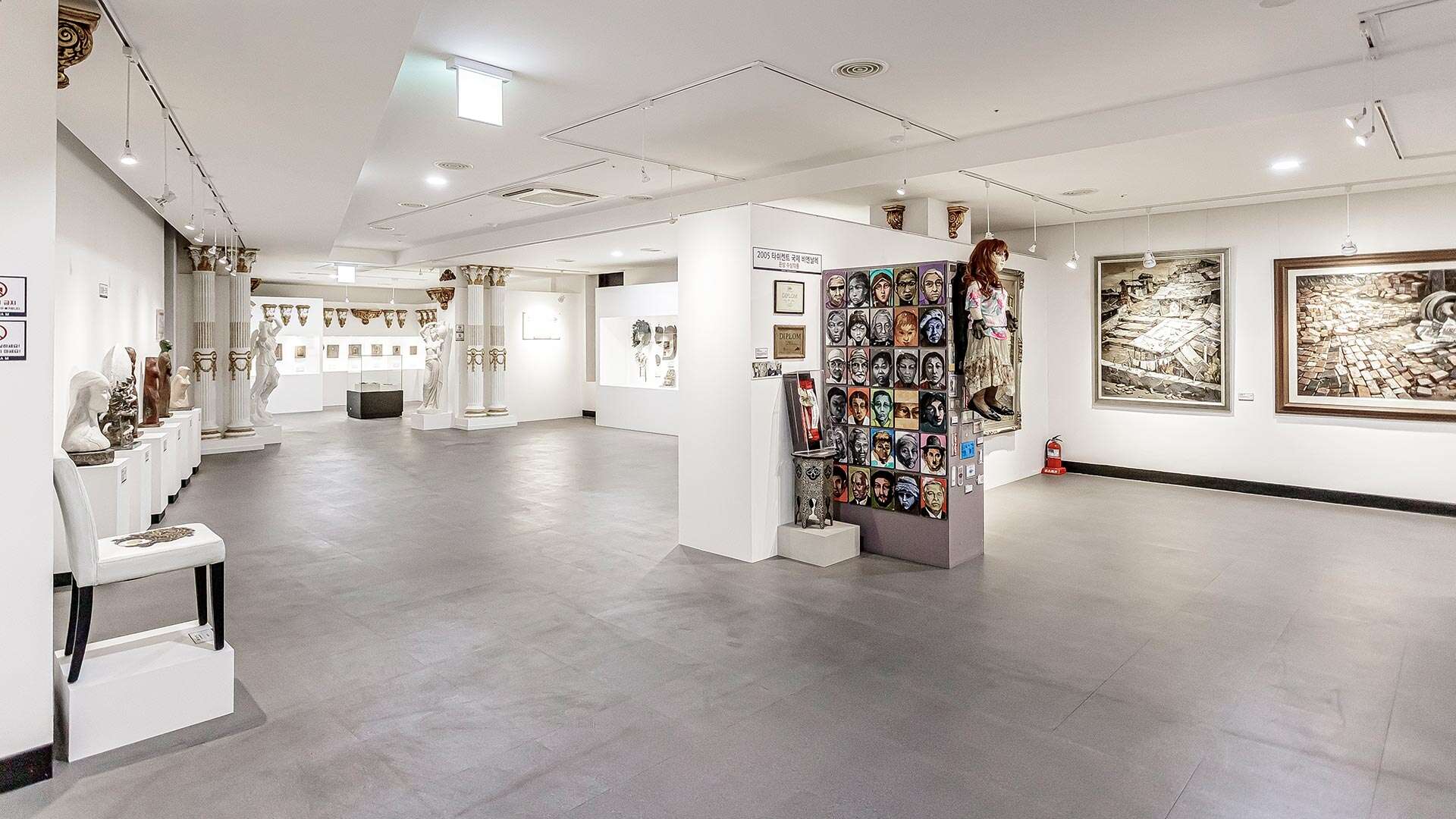
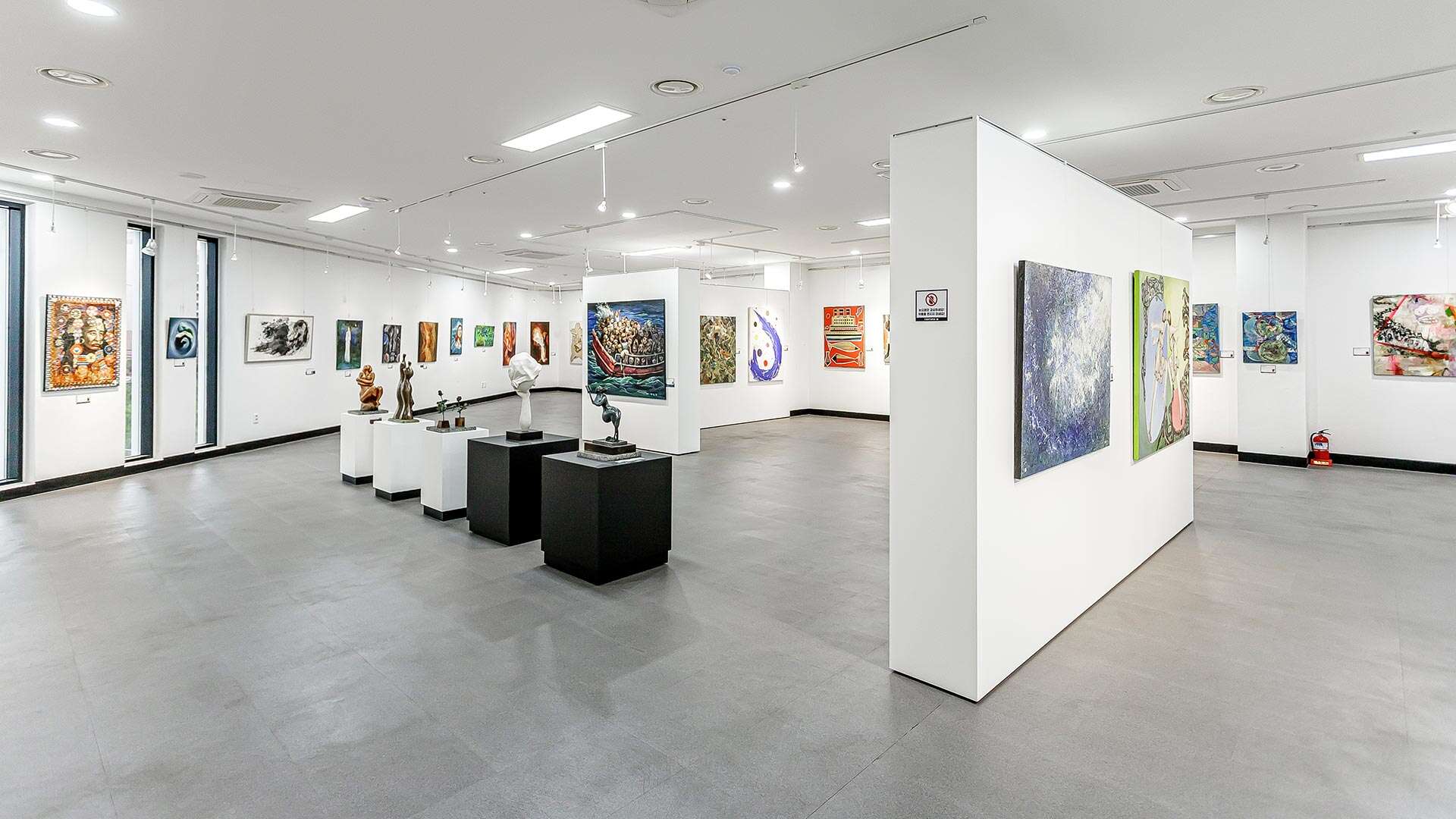
The gallery within the museum also displays calligraphy works by Pu Jie, the younger brother of the last emperor of the Qing Dynasty and a renowned modern Chinese calligrapher, along with masks and various artworks from around the world. A variety of decorative items from different countries are also on display.
Behind the museum lies a beautifully landscaped garden, featuring a rare Korean white pine tree and a walking path, allowing visitors to enjoy a relaxing stroll after viewing the exhibitions.
Furthermore, experiential programs such as the “Cup-Making Experience” are available for office workers, students, and tourists. After touring the exhibitions, visitors are encouraged to create their own unique cup and make lasting memories at the Hwanhee Cup Museum.