Introduction
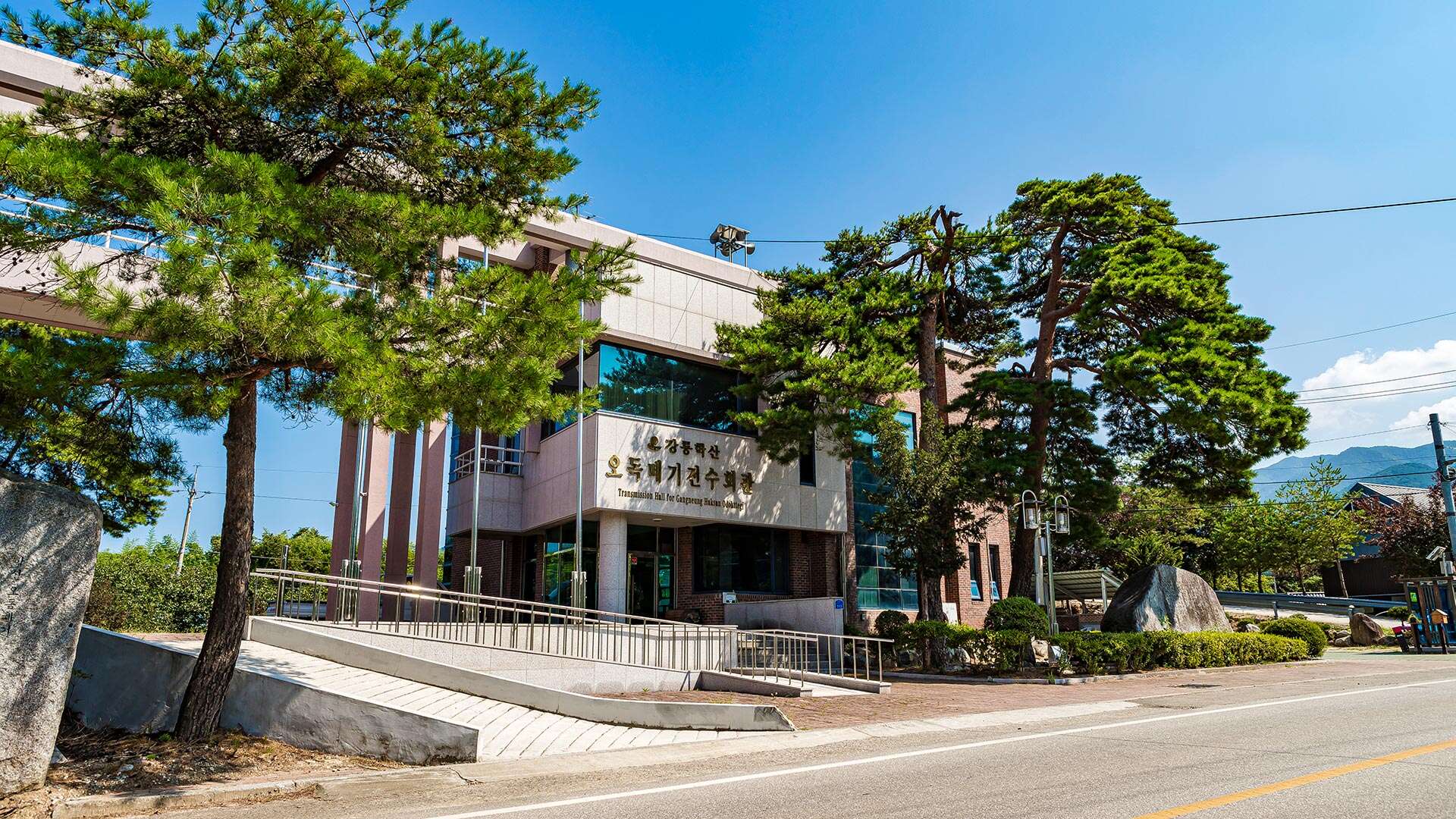
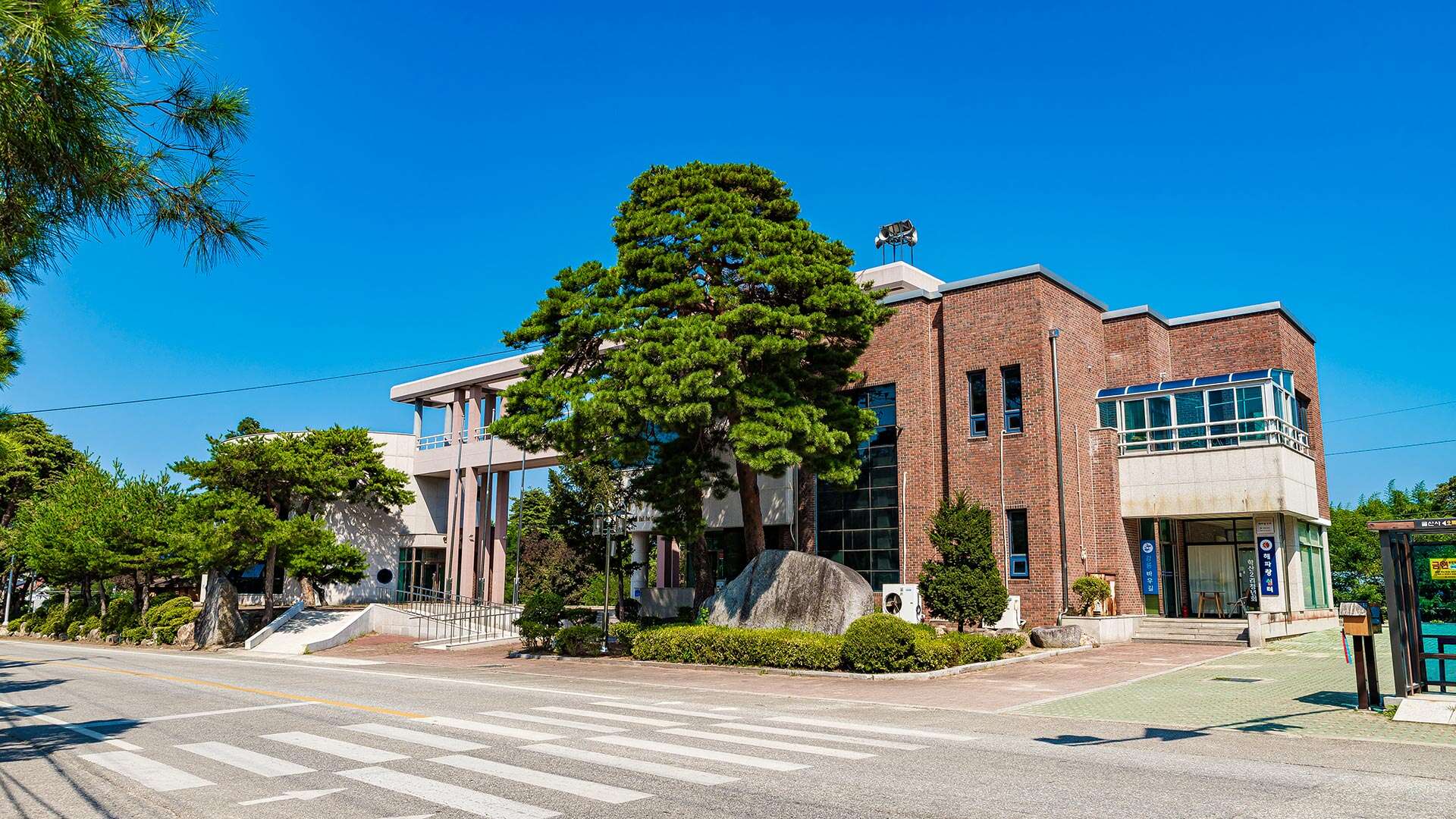
Haksan has long been known as a pleasant place to live and a village of education that has produced many talented individuals. Hakmaeul Village is located in Gujeong-myeon, Gangneung-si, Gangwon State. It is a rural village situated about 6 km south of Gangneung City Hall and 1 km from the Gujeong-myeon office in Yeochan-ri.
It was incorporated into Gujeong-myeon of Gangneung County in the 33rd year of King Gojong’s reign, and after the integration of city and county administrations in 1995, it was divided into three administrative villages (1-ri, 2-ri, and 3-ri) in 1996.
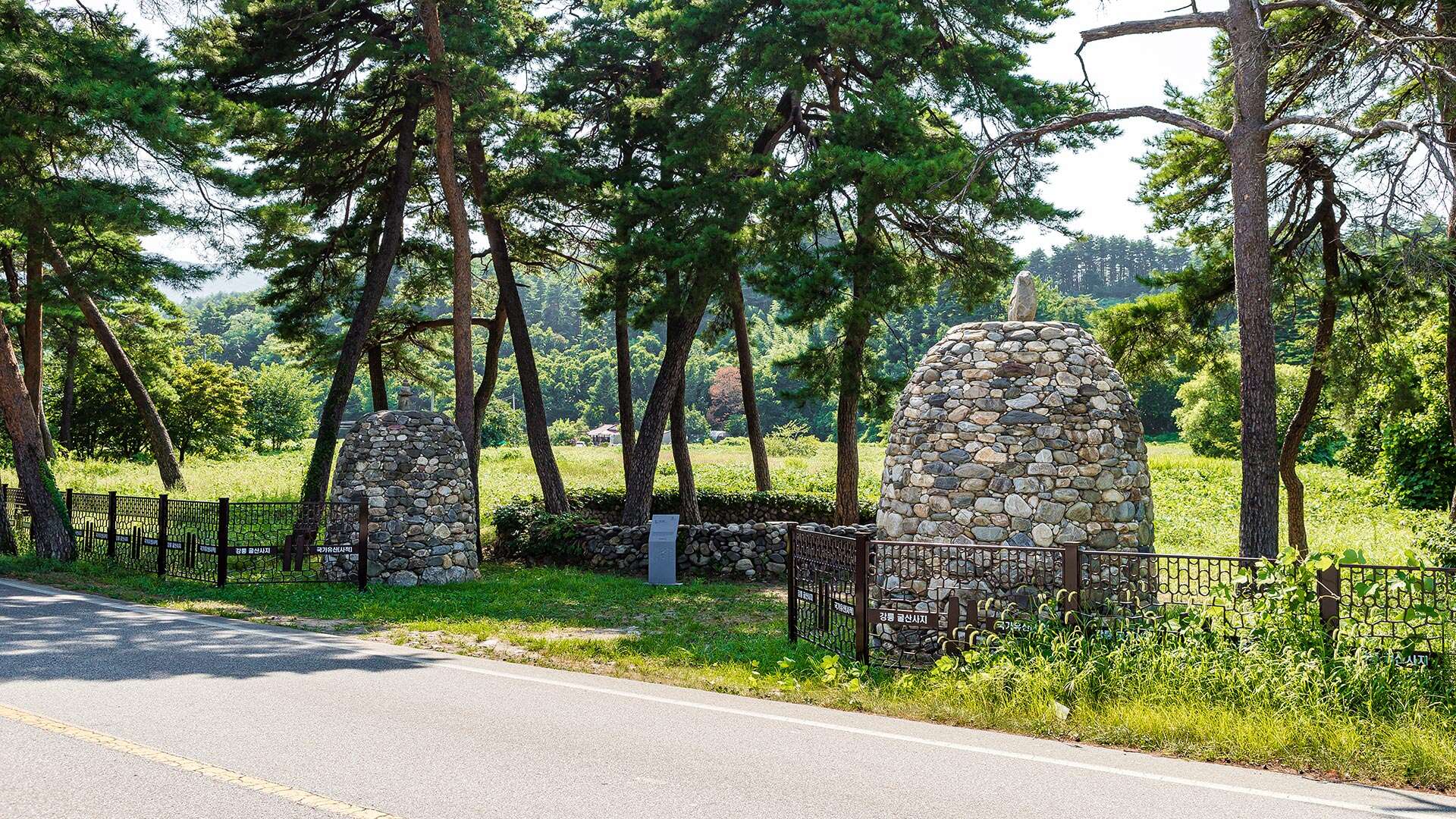
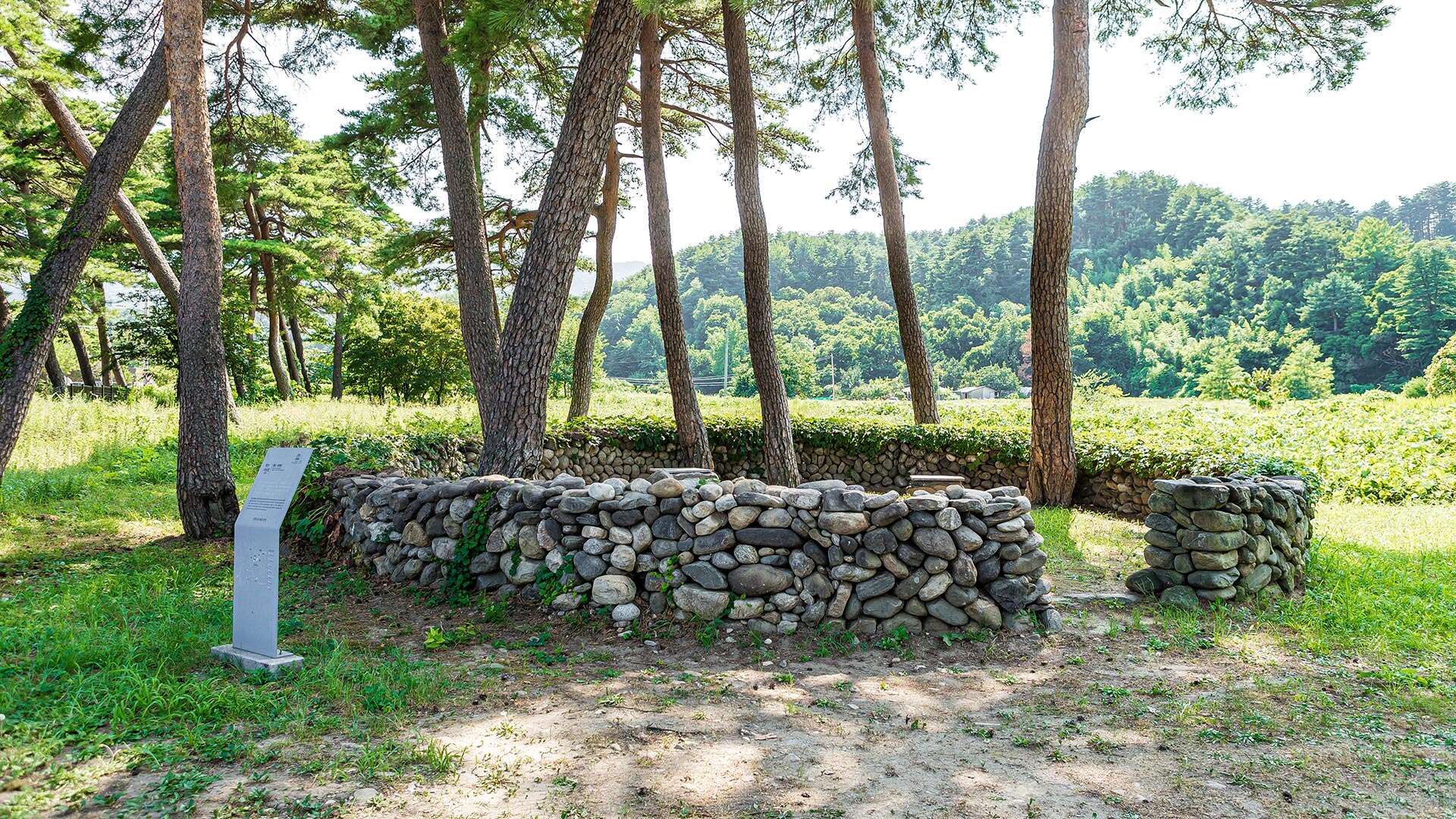
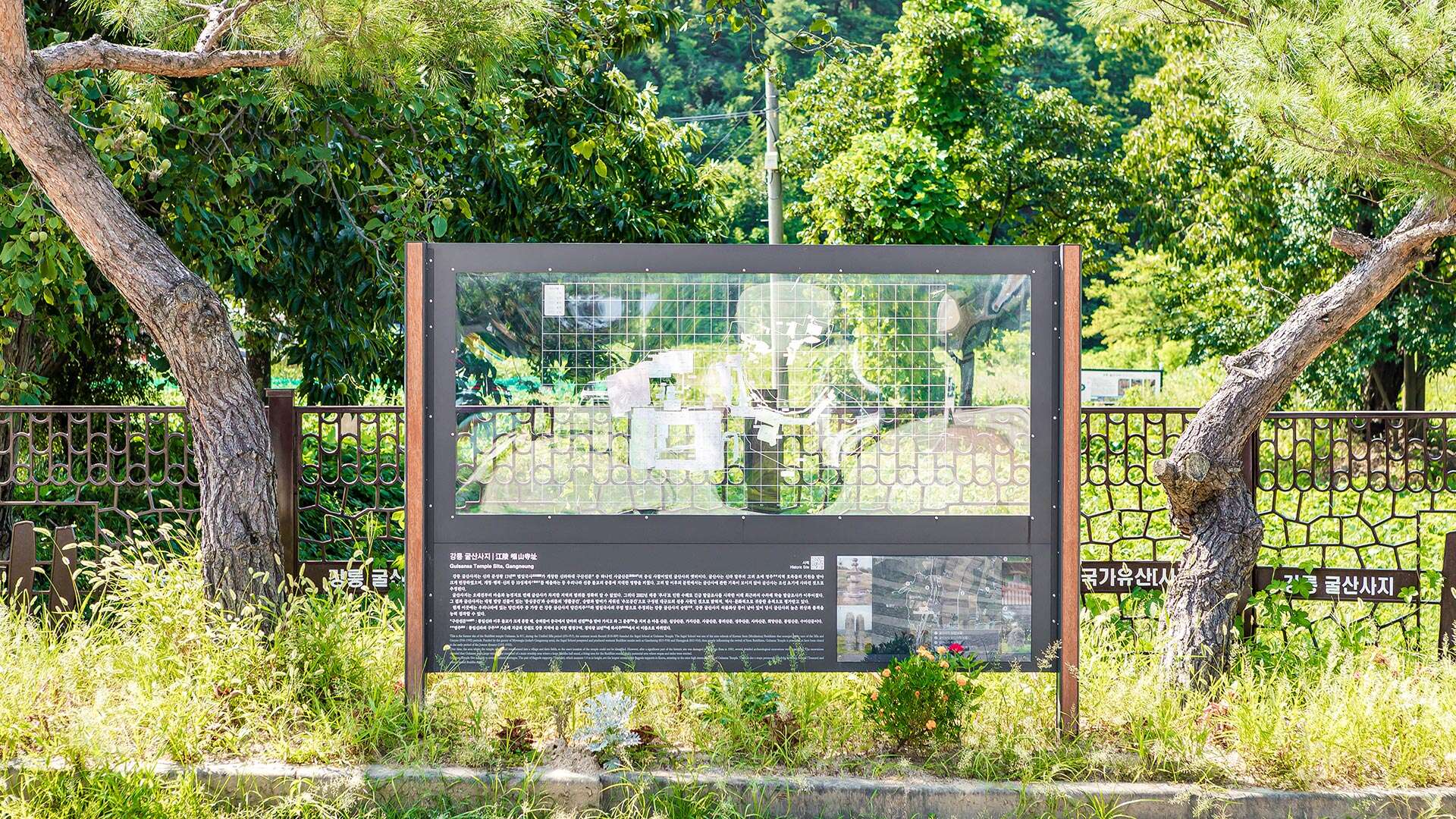
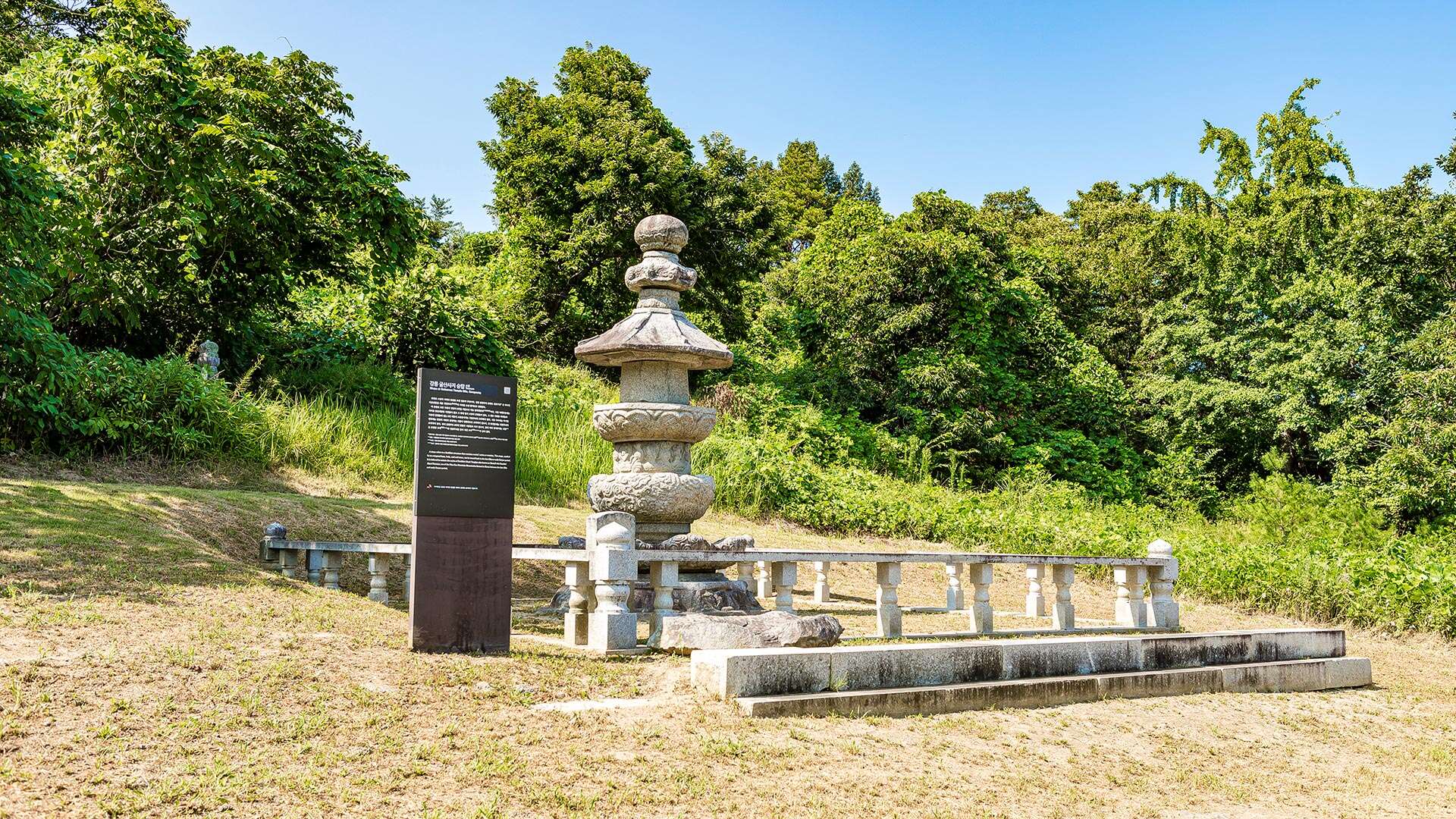
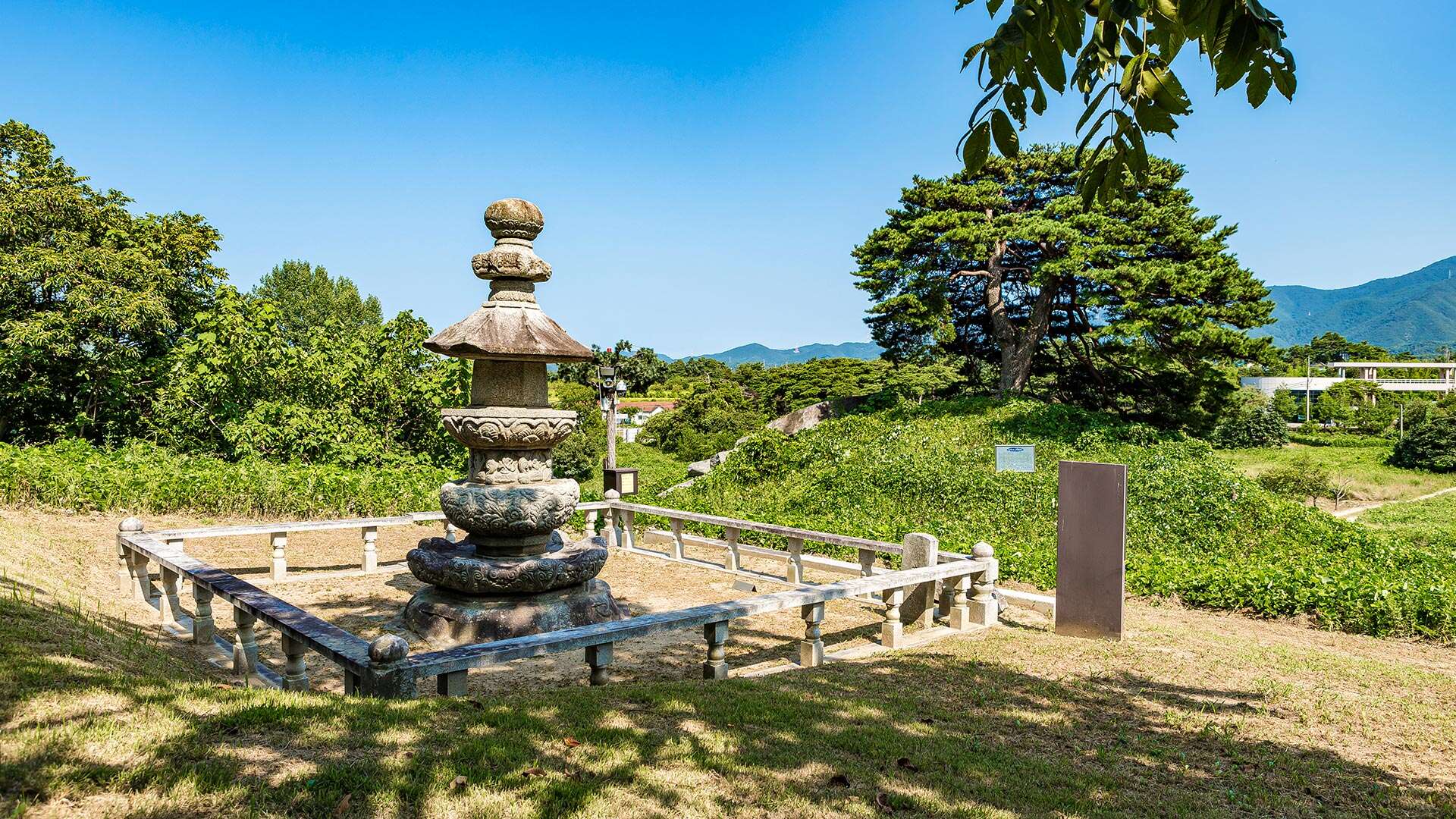
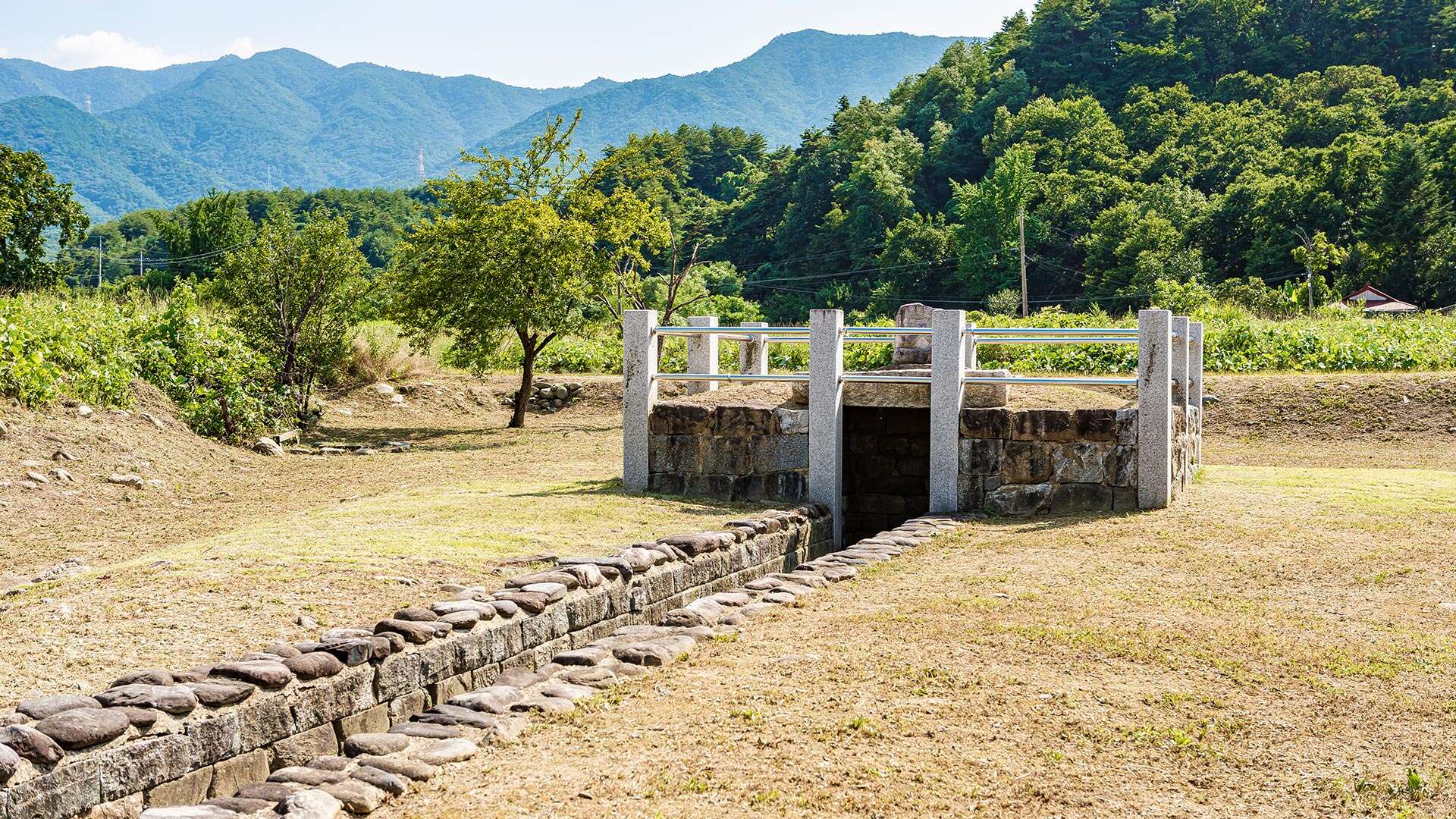
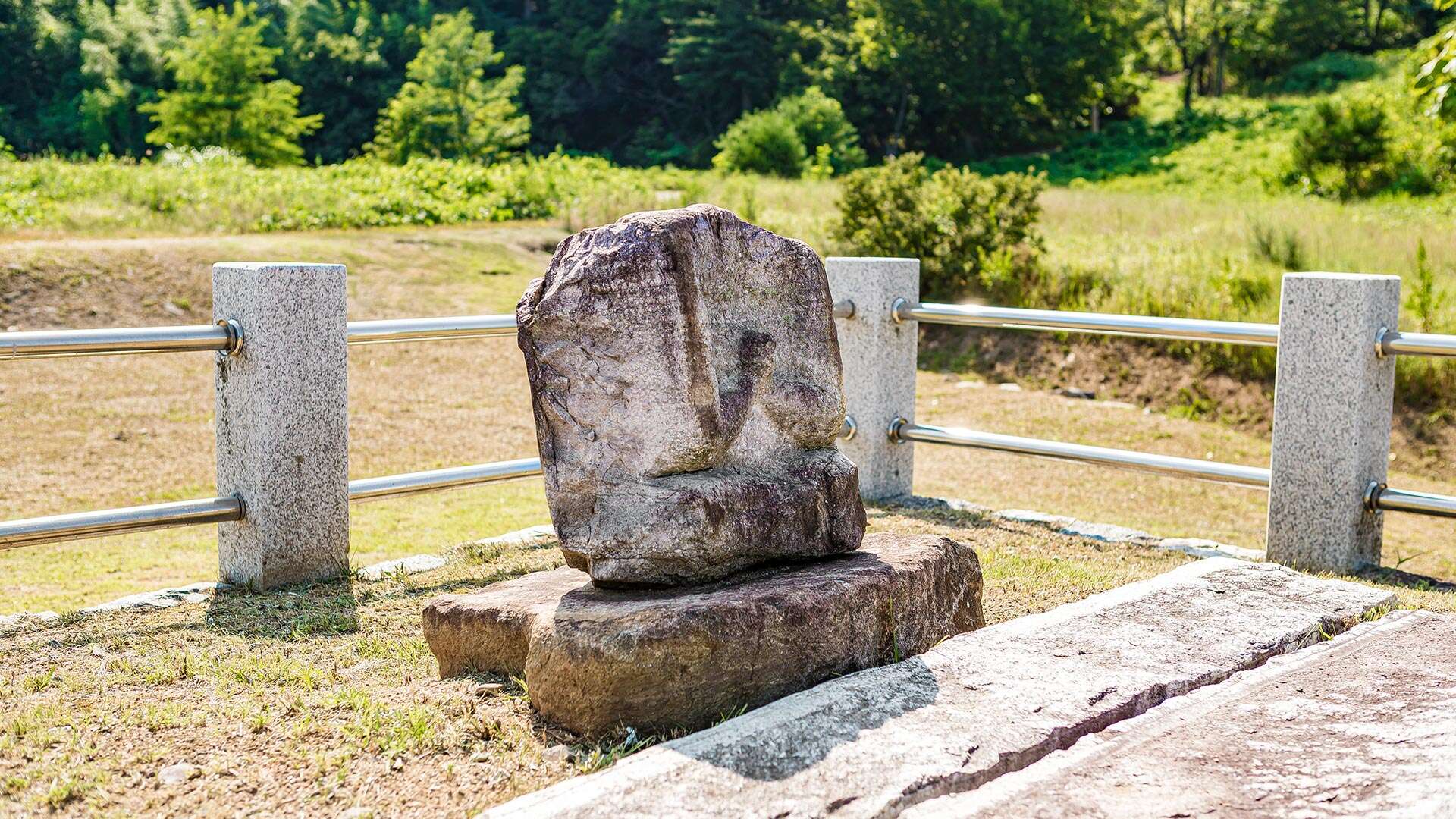
The village is also known as the birthplace of the eminent monk Beomil, who later became the guardian deity (Seonghwang) of Daegwallyeong in the Yeongdong region. It is home to numerous cultural heritage sites such as the Gulsa Temple Site Stupa, the Flagpole Supports at Gulsa Temple Site, and the Gangneung Haksan Odokttegi folk song.
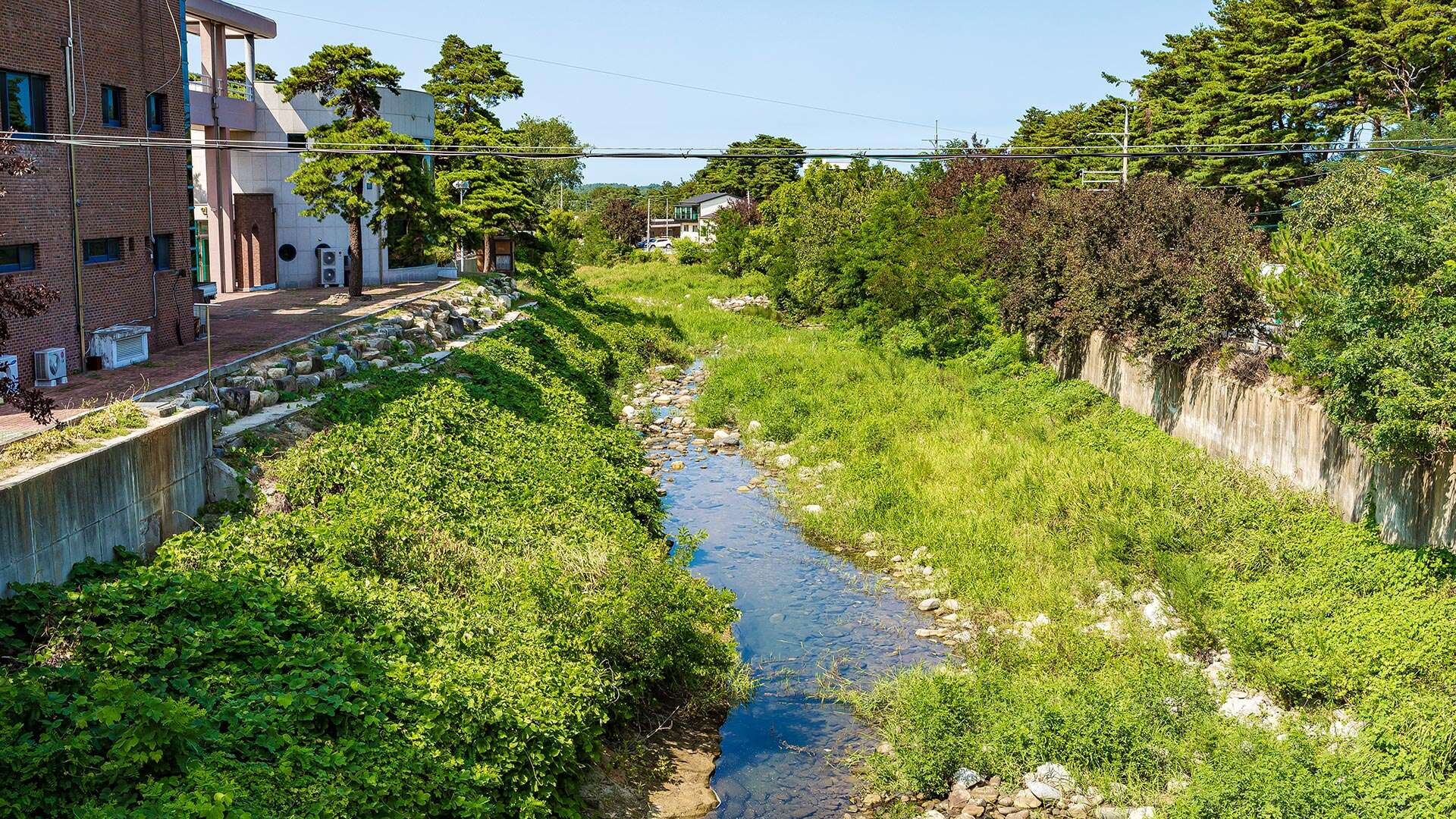
With its natural geography blessed by mountains and water, Hakmaeul Village is a beautiful tourist destination that offers both scenic charm and convenient transportation.
Tourist Guide
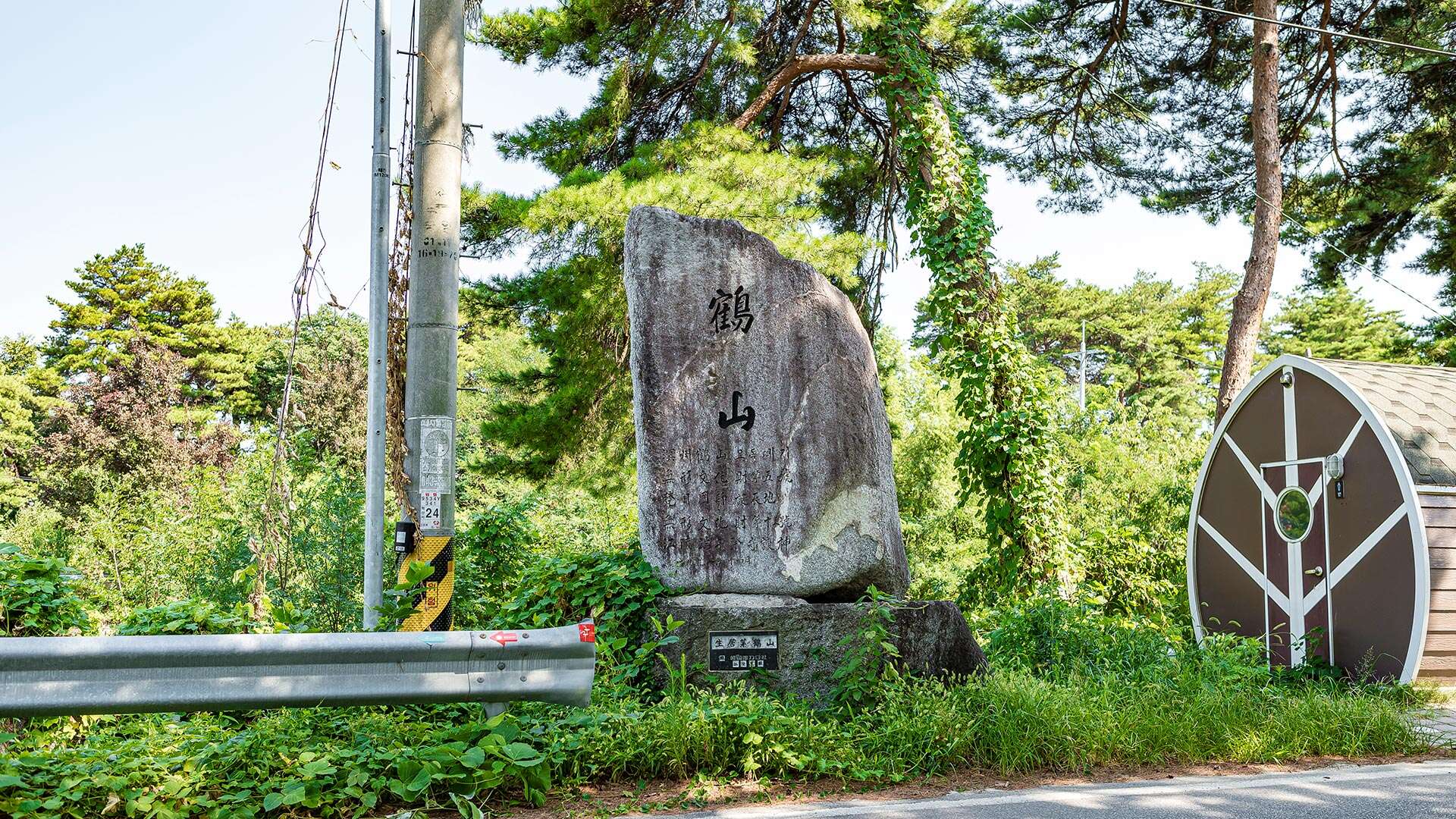
Hakmaeul Village is home to many cultural assets, including Seokcheon Well, Hakbawi Rock, the Gulsa Temple Site, flagpole supports, stupas, and a seated stone Buddha statue. It also preserves the valuable cultural heritage known as Haksan Odokttegi.
Odokttegi is a traditional farming song sung to relieve fatigue and increase efficiency during agricultural work. As several skilled practitioners of this folk song reside in the village, visitors can enjoy their beautiful performances.
Various hands-on experiences are also available. Visitors can participate in natural dyeing experiences at Yeseowon, family camping programs, and plum extract-making experiences at Seollaegol Plum Farm with prior reservations.
The village also sells local specialties such as pure perilla seeds, glutinous corn rice, and Seollaegol plums, making them excellent souvenirs.
Travel Tips
At the Hak Information Village Center, visitors can join guided cultural heritage tours, harvest sweet and sour fruits, and dig for potatoes and sweet potatoes.
At the healing camp Yeseowon, which operates a café, pension, and experience farm, visitors can enjoy homemade fermented enzyme tea and lotus leaves, as well as participate in tea ceremonies, natural dyeing, and wildflower experiences. Making reservations in advance is recommended for convenient use.
Visitors can also experience making traditional confectionery (jeonggwa) by hand. Coffee lovers may enjoy visiting a café that also roasts its own coffee beans, as well as a fair-trade café.
Since the flagpole supports are located not far from the city center and transportation is convenient, and Gangneung is famous for its Coffee Street, visitors can enjoy a warm cup of coffee while viewing the sea after exploring Hakmaeul Village.
It is also recommended to visit the Chodang Sundubu Village to taste the unique soft tofu dish that can only be found in Gangneung.
For those traveling with children, visiting a handmade hamburger restaurant at Gangmun Beach is also a great option. Gangmun Beach is especially well known for its photo zones, making it a perfect place to take beautiful pictures.
One useful tip is to plan your sightseeing route along the coastline, either moving up or down, to enjoy more attractions in an organized way. On the way back home, stopping by Gangneung Jungang Market to purchase affordable and delicious local foods such as dakgangjeong (sweet crispy chicken), ice cream hotteok, and grilled short rib patties is highly recommended.