Introduction
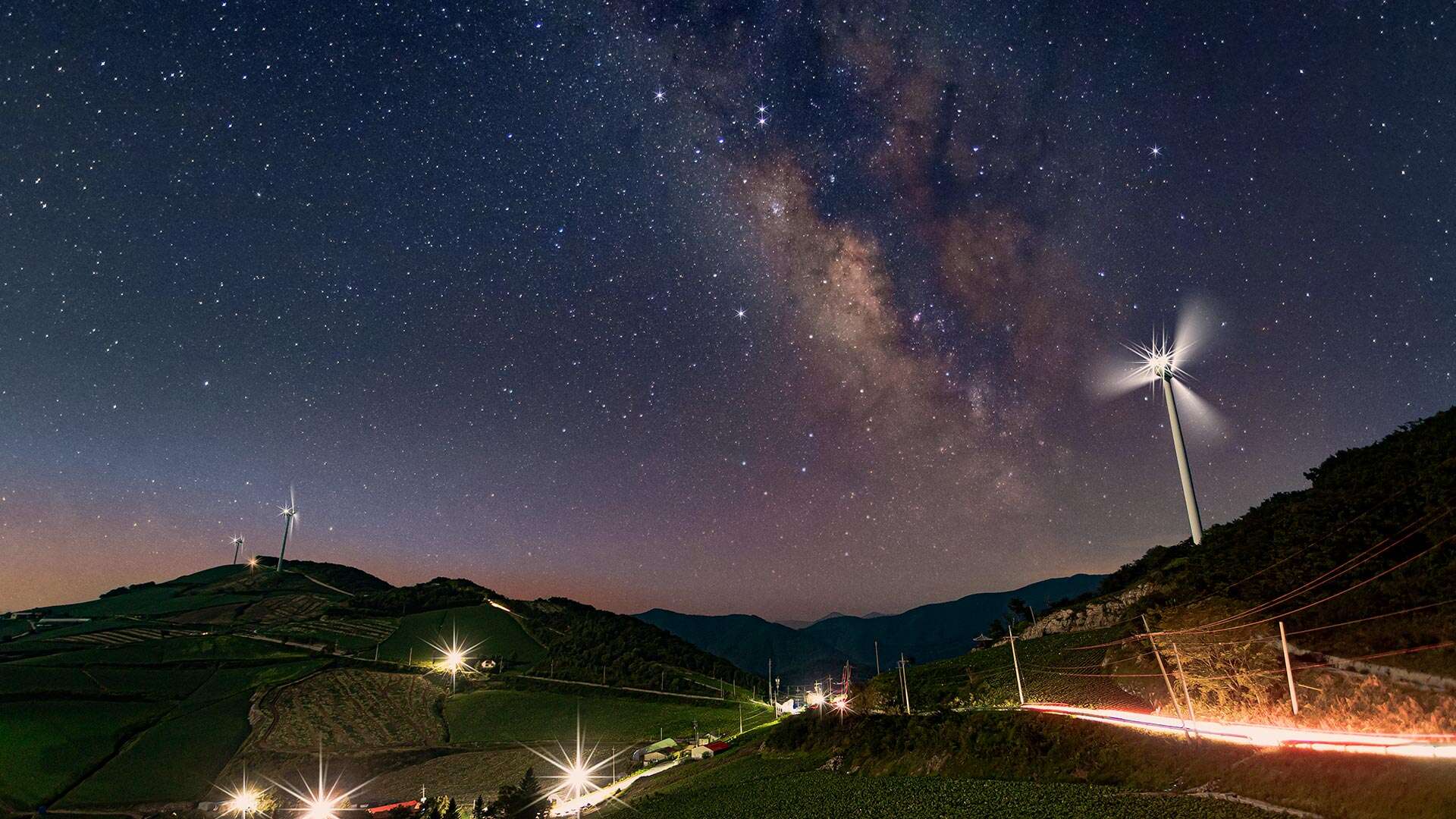
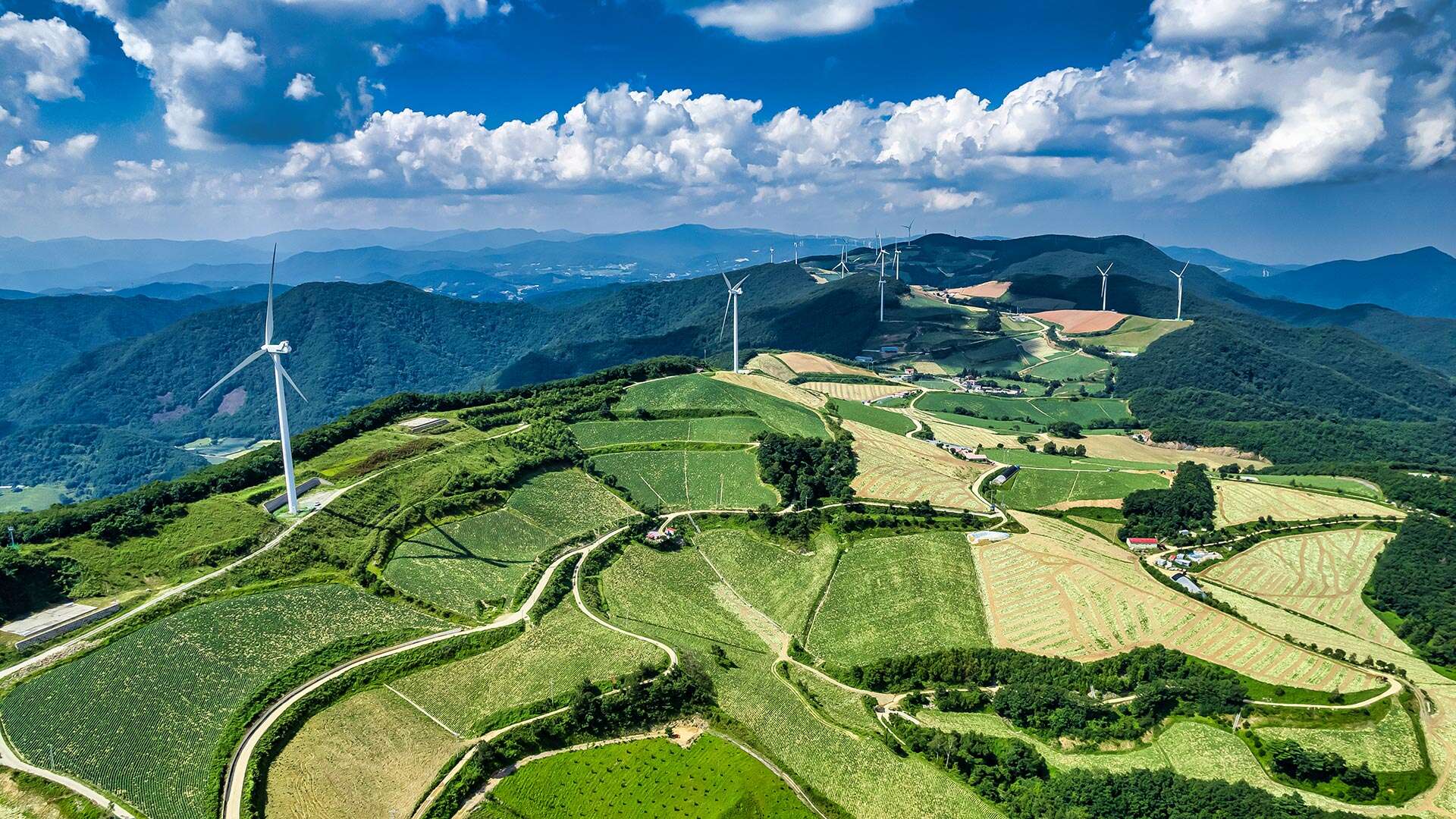
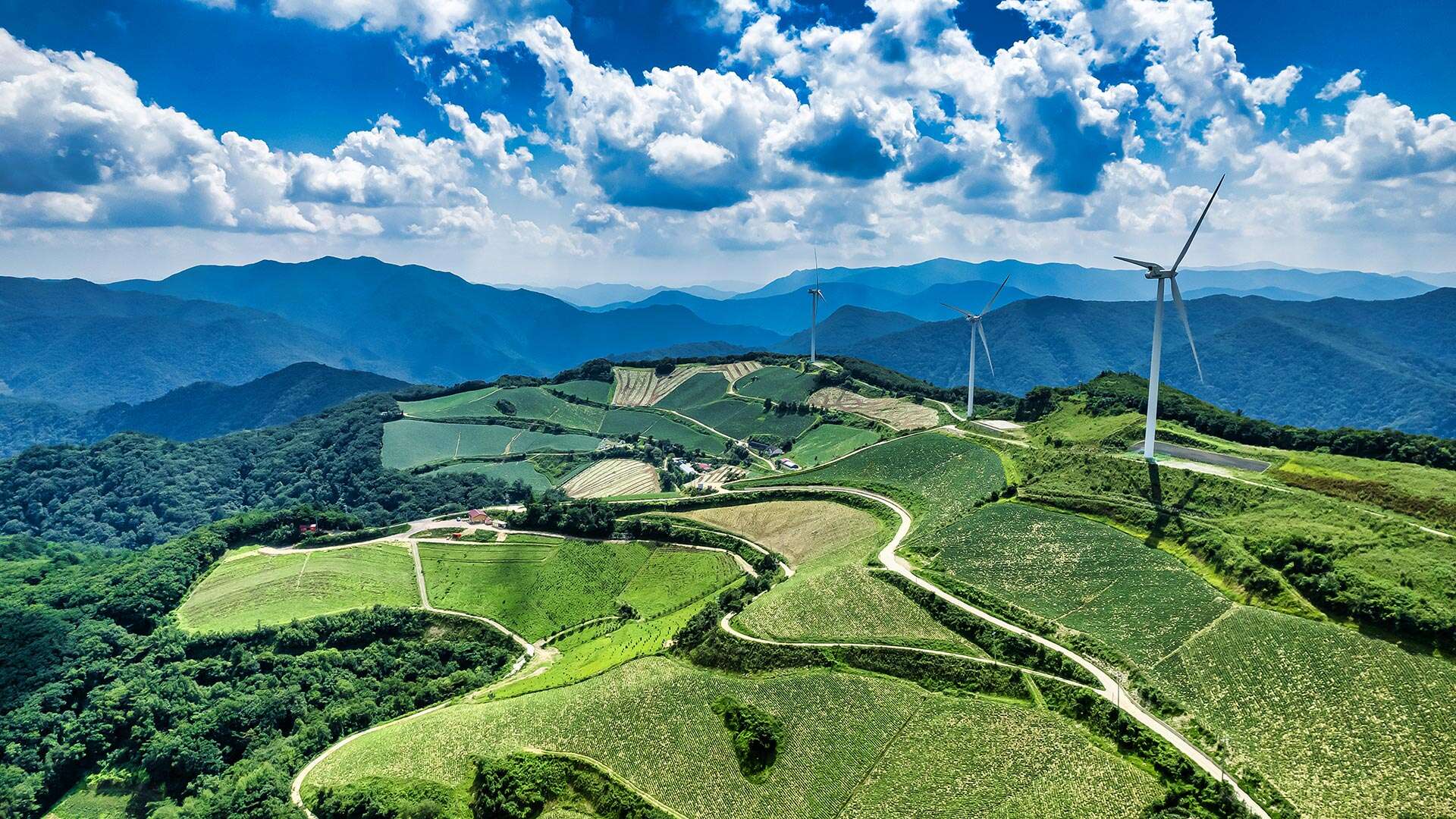
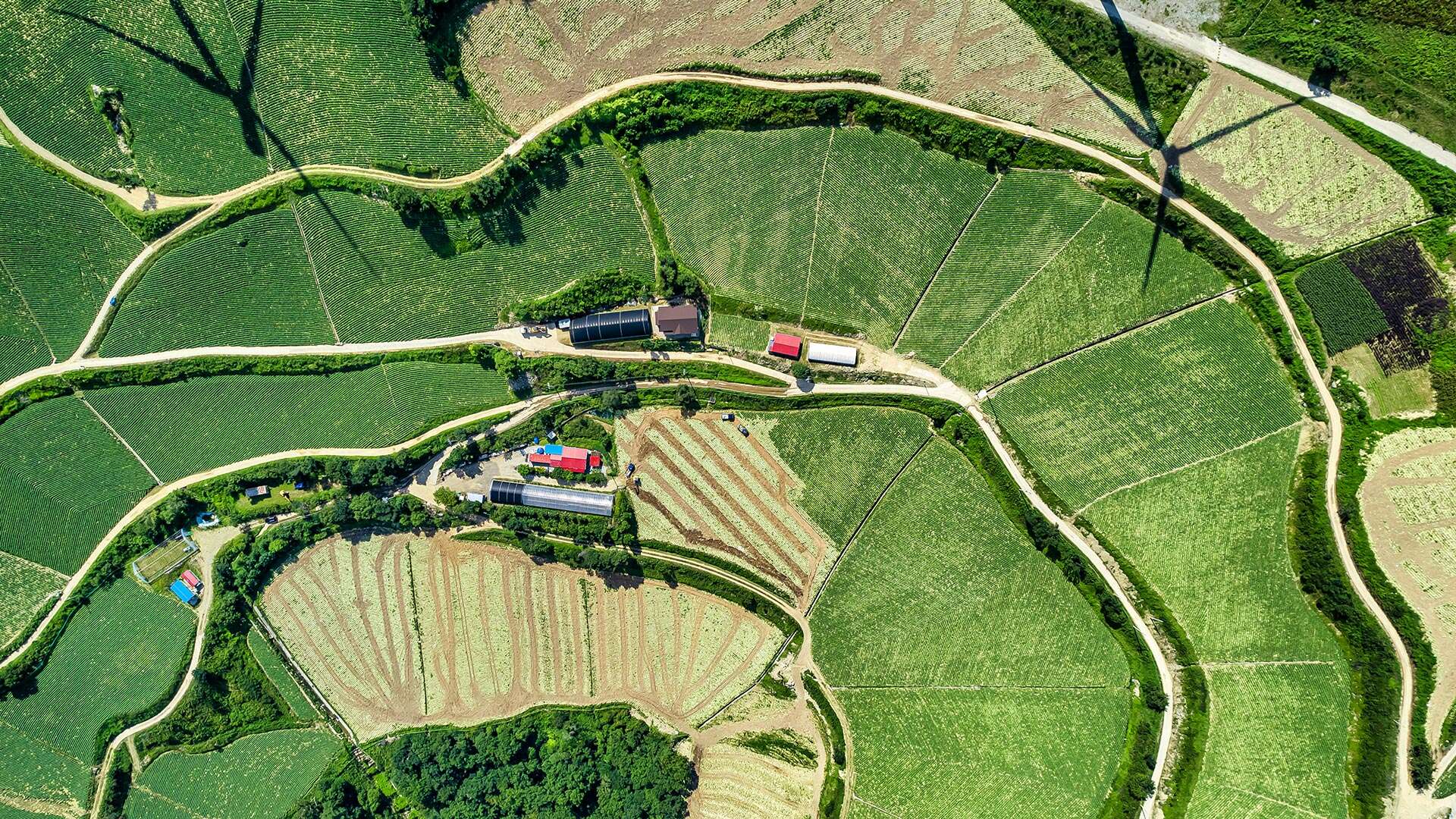
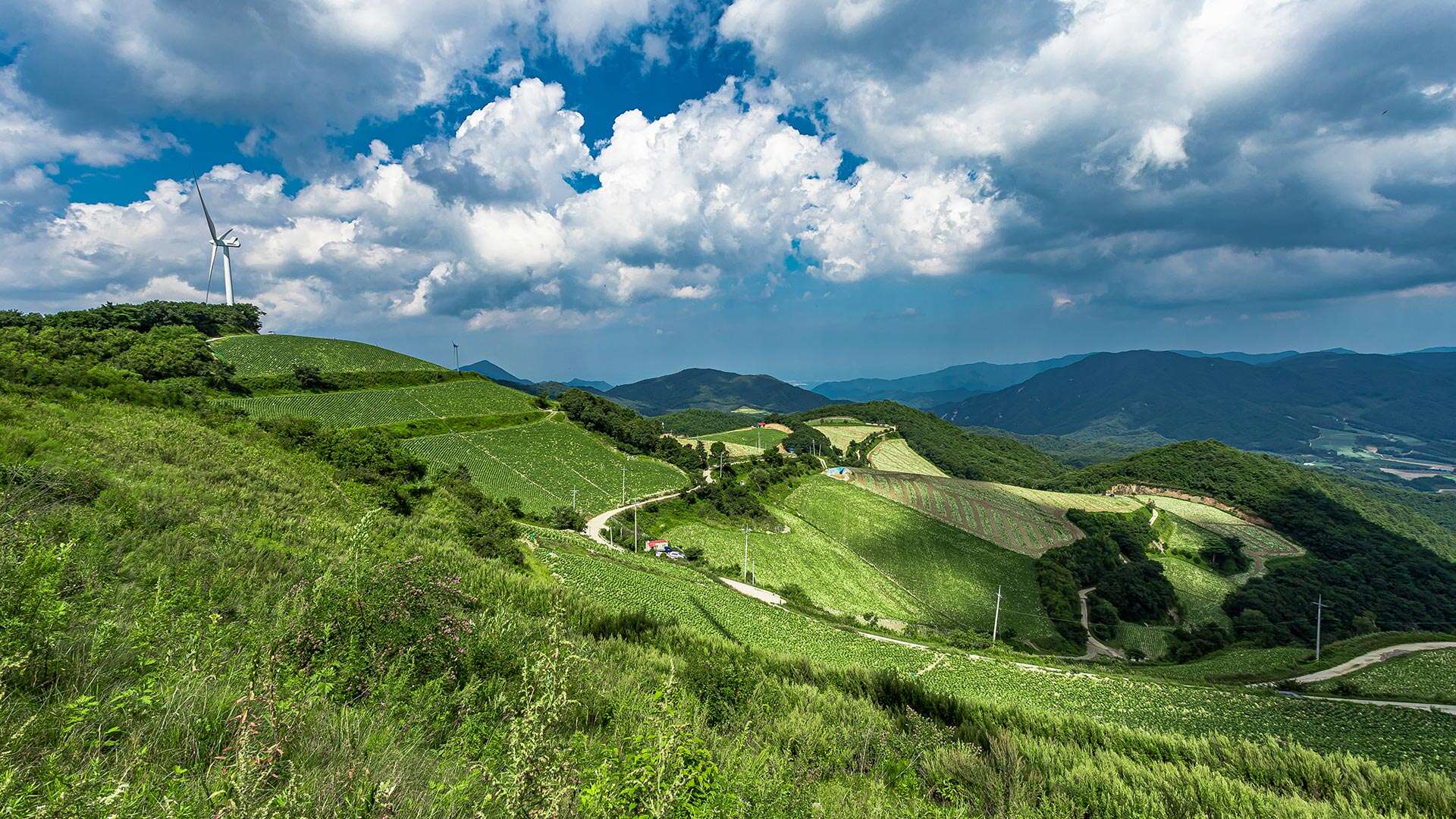
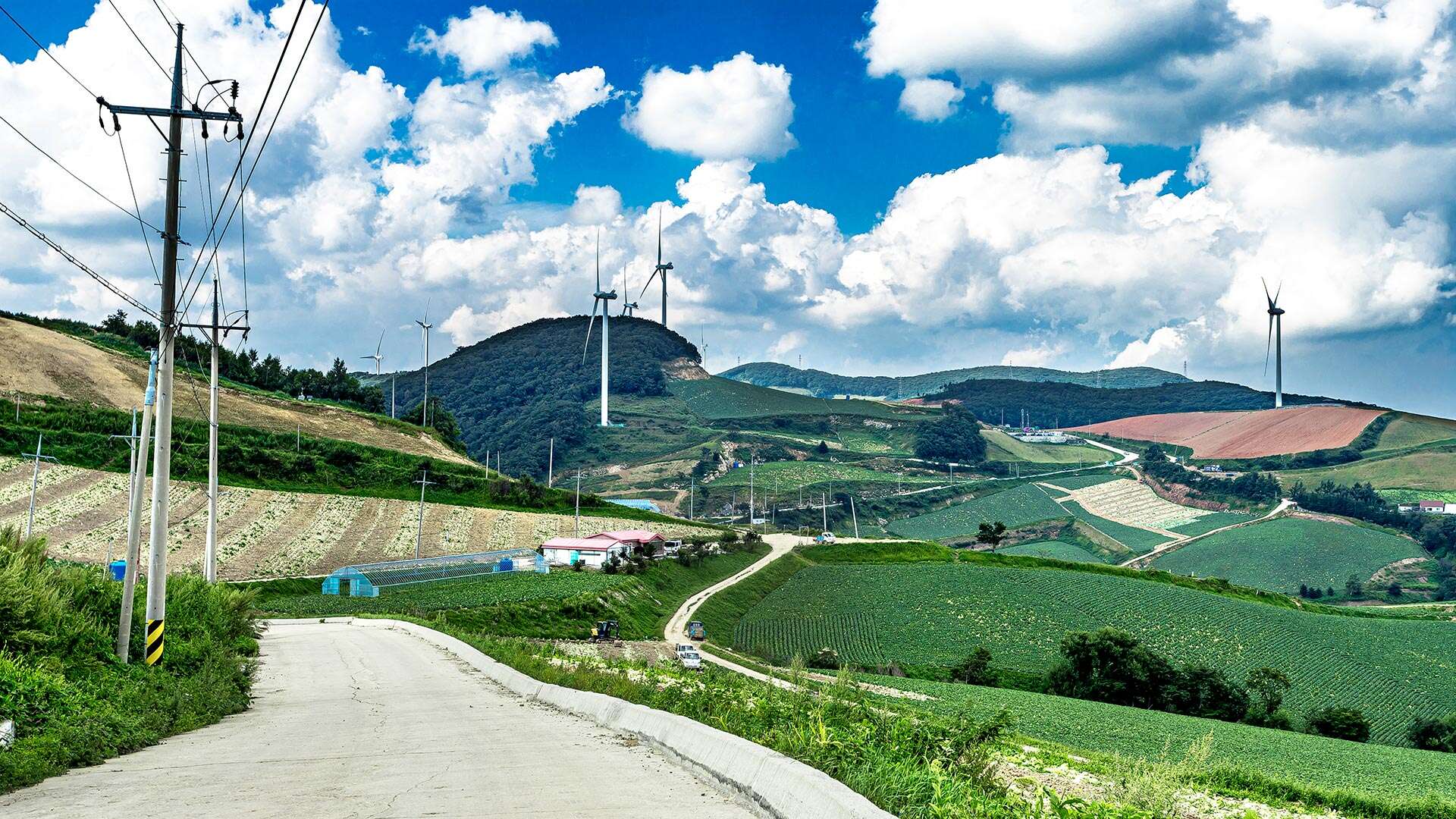
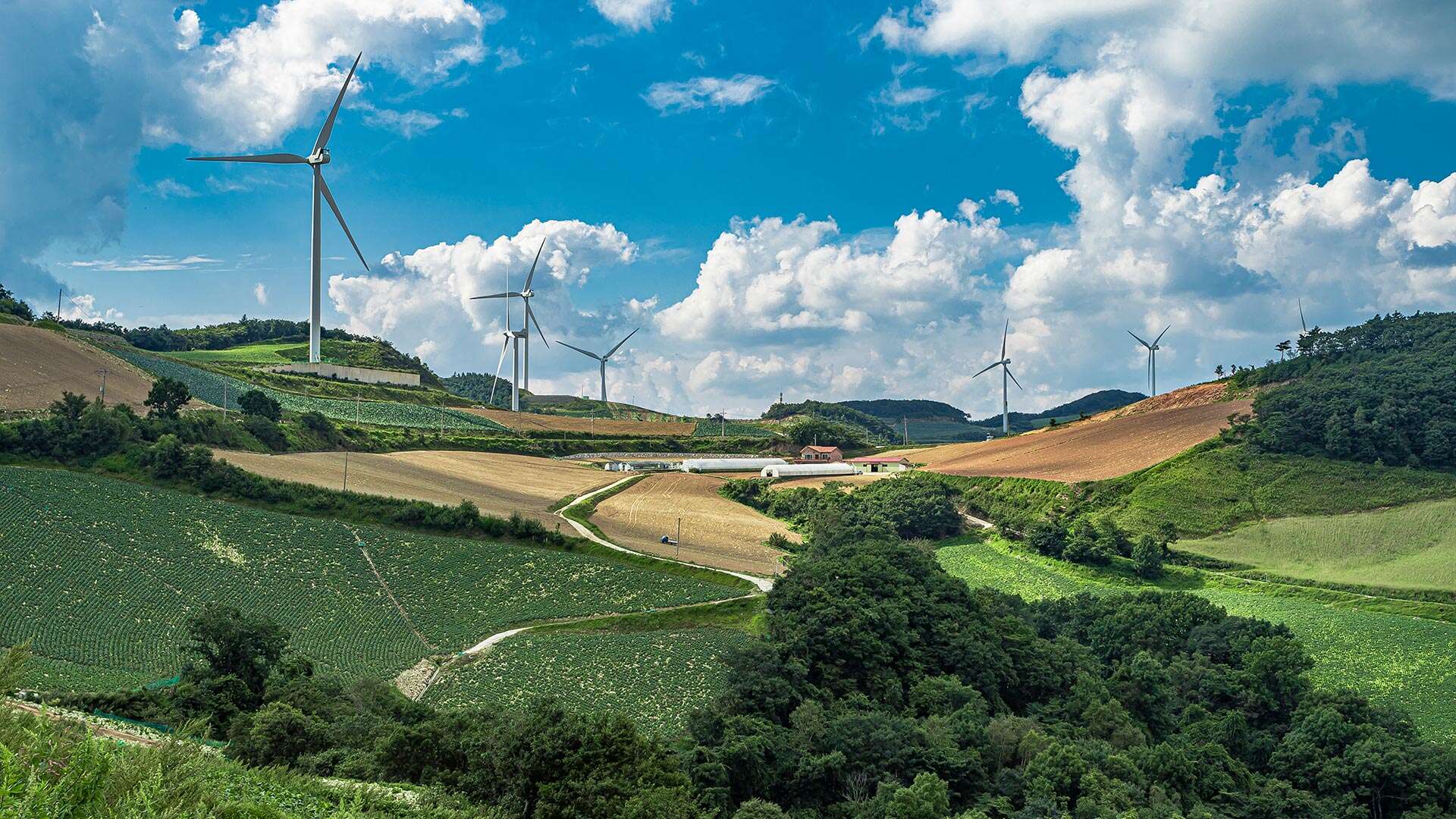
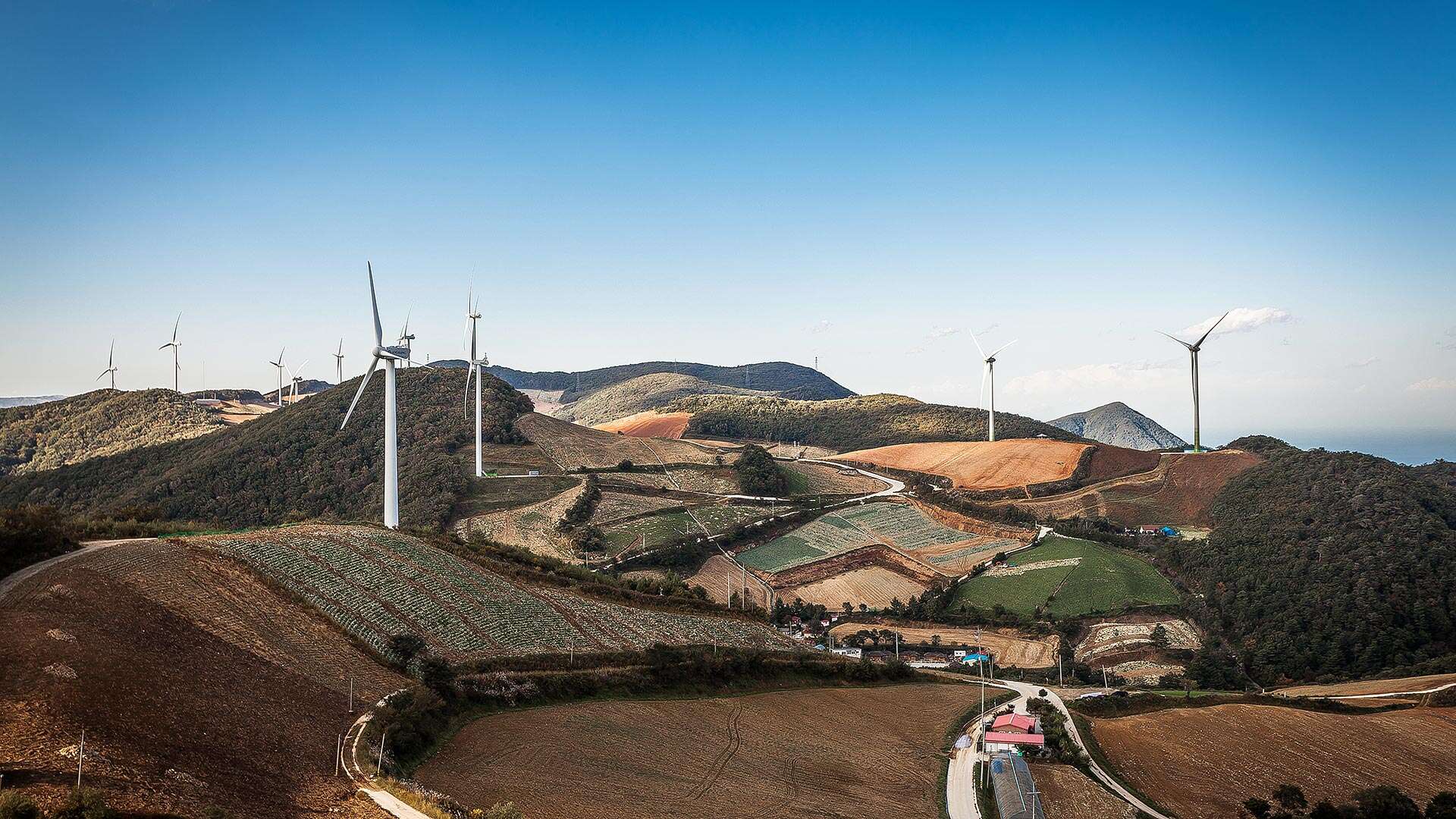
Anbandegi Village is located at an elevation of 1,100 meters in a highland area. It was named “Anbandegi” because its terrain resembles a wide and concave wooden board (anban) used for pounding rice cakes. The mountains are cabbage fields, and the cabbage fields are the mountains themselves. “Anban” refers to the hollowed wooden board used when pounding dough with a mallet, and “degi” means flat land. Due to the steep slopes, mechanized farming is not possible, so the fields are cultivated entirely through the hard labor of farmers.
Tour Guide
Anbandegi began to take shape in 1965 when the mountains were cleared and slash-and-burn farmers settled in the area. These farmers cultivated fields on steep slopes where one could easily roll down dozens of meters, using only hoes and shovels. In 1995, around 28 households who had cultivated the land for generations officially purchased it and became its rightful owners. The once barren land has since transformed into fertile farmland covering approximately 2 million square meters. What may appear as endless cabbage fields is, in fact, a landscape that reflects the sacred value of labor.
Travel Tips
Upon arriving at Anbandegi, you will first encounter a parking lot, and across from it, you will notice a charming small café that operates only during the summer season. As the largest highland vegetable farming area in Korea, the fields seem to stretch endlessly beyond sight. If you feel overwhelmed or troubled, sitting here quietly until sunset may help clear your mind completely. Perhaps this is why the place feels as if it touches the sky.
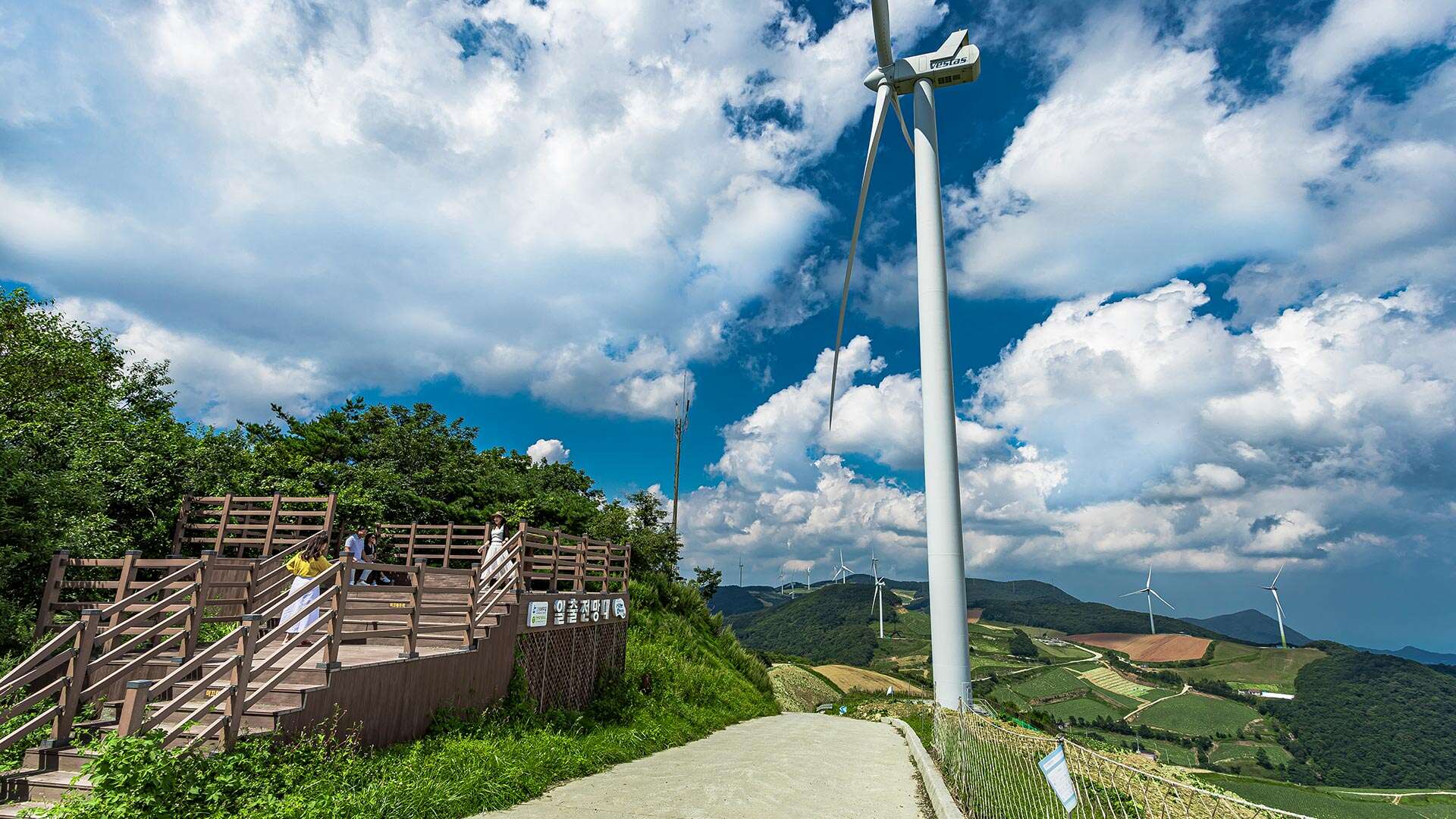
Driving along the narrow paths between the fields, the endless scenery may even evoke a sense of awe or slight fear. Yet, you will soon feel an inexplicable pull that keeps drawing you forward. After about 10 minutes of driving uphill, the road splits into two: going straight leads to the Gorupogi Mountain section, while turning right takes you to Unyugil Trail. The vast cabbage fields resemble a work of art, making this one of the best viewpoints in Anbandegi.
Standing at the summit with a slope of about 45 degrees at sunset, you may feel as if you are alone in the world, surrounded by serene silence. In spring, lush rye grass fields spread across the landscape; in autumn, vibrant foliage unique to highlands appears; in summer, potato flowers and highland vegetables cover the steep hillsides; and in winter, the snow-covered mountains create a tranquil atmosphere. Although the land is cultivated for farming, its scenery is so beautiful and awe-inspiring that it serves as a tourist attraction in its own right.
Anbandegi also offers accommodations and various facilities for visitors. Lodging options include Unyujeom, Unyuu, and Unyutaek, which can be selected through the official website. Additional facilities include karaoke rooms and sports facilities.
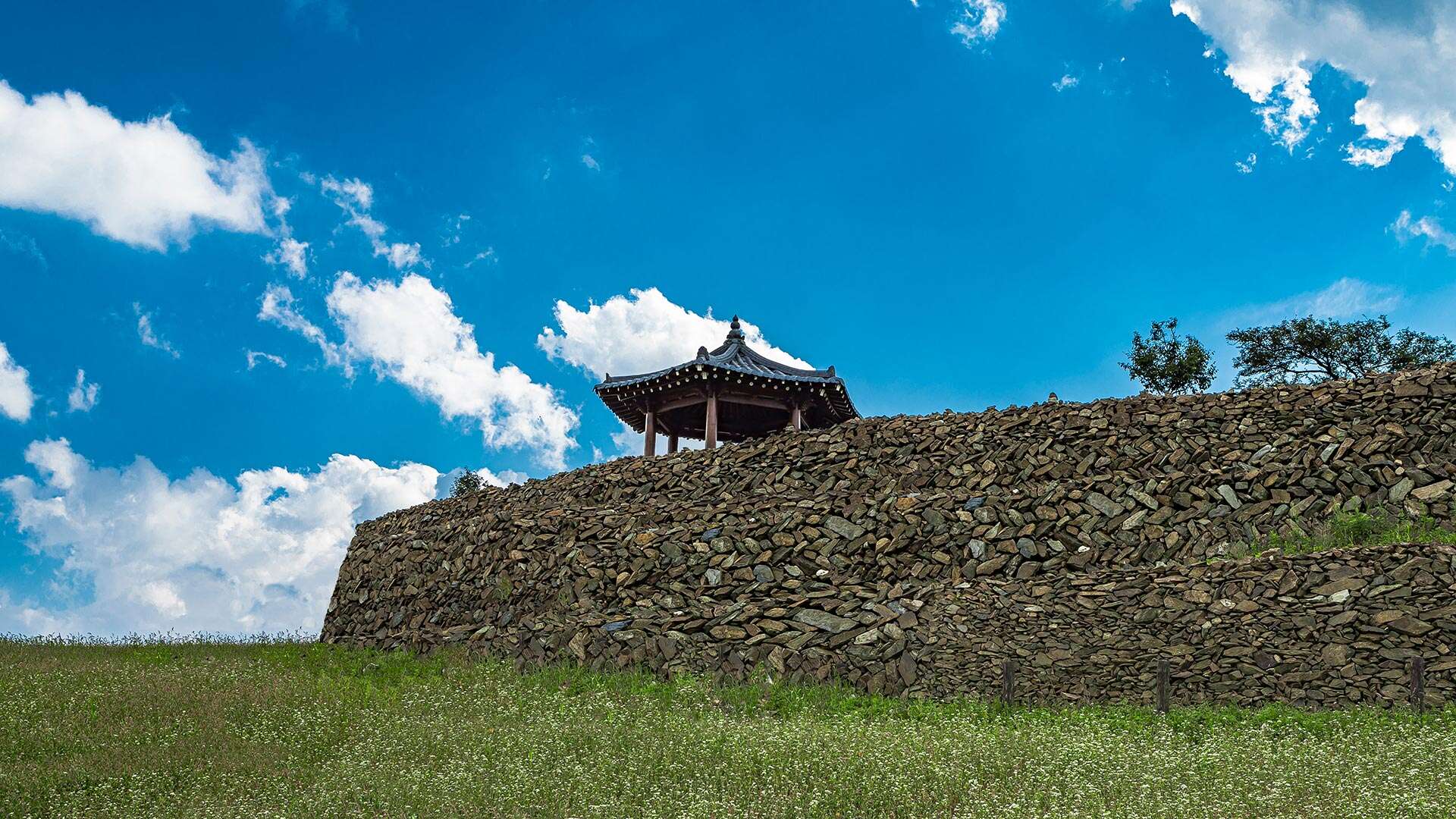
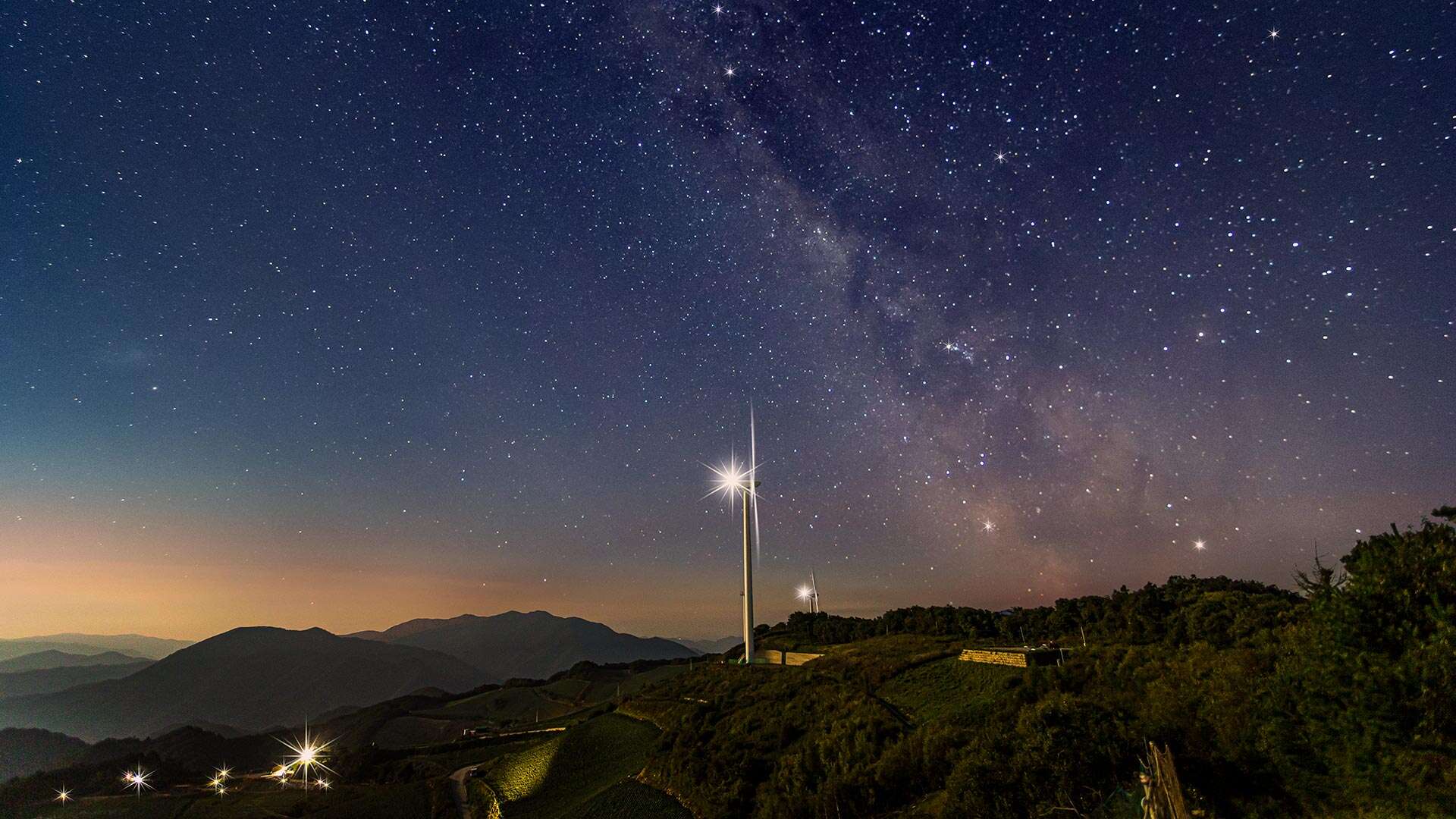
Nearby attractions include a sheep ranch that evokes childhood memories, Nochusan Stone Wall Village, Maebongsan Wind Power Complex (also known as the Hill of Wind), and Guinemi Village, famous for its highland cabbage fields. These sites can be explored within a one-day trip.
To reach Anbandegi, located on the border of Pyeongchang and Gangneung, you must cross Pideuknyeong Pass from Pyeongchang or Dakmokryeong Pass from Gangneung. If traveling from the Seoul metropolitan area, it is much closer to take the Yeongdong Expressway and exit at Hoenggye IC, then use Suha Valley Road.